



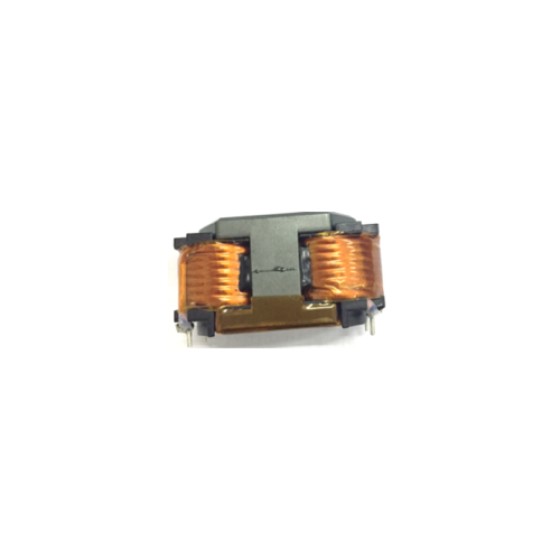
Why Do Some Transformers Use Triple Insulated Wire?
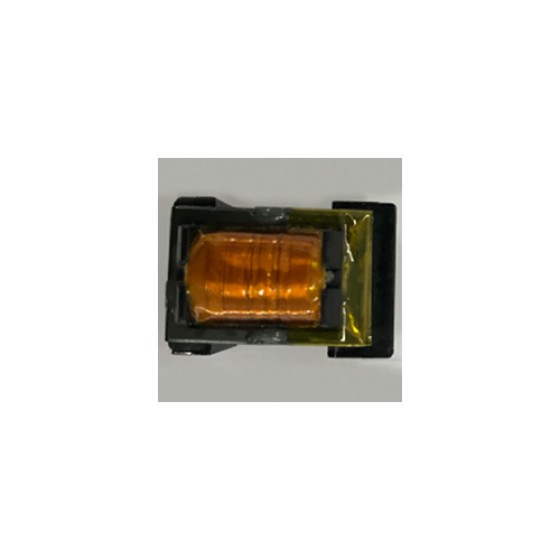
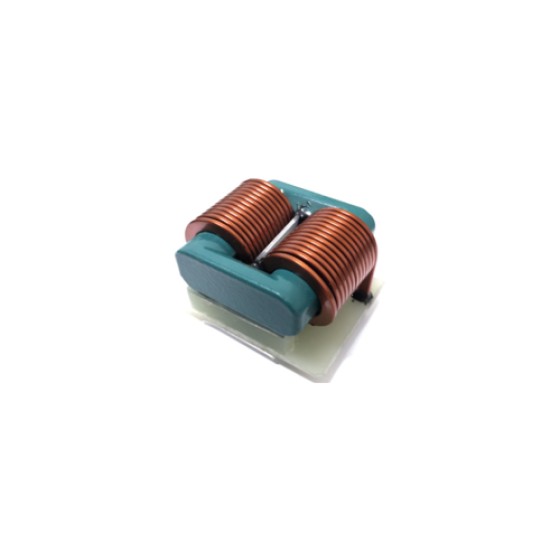
In modern electronic products, transformers are becoming smaller while operating at higher power densities. This creates new challenges for transformer designers, especially when it comes to maintaining reliable electrical isolation in a limited space.
Triple insulated wire is one solution developed to address these challenges. It provides a higher level of insulation protection compared with conventional enamel wire and is widely used in high-frequency transformers found in switching power supplies, adapters, chargers, and other compact electronic devices.
What Is Triple Insulated Wire?
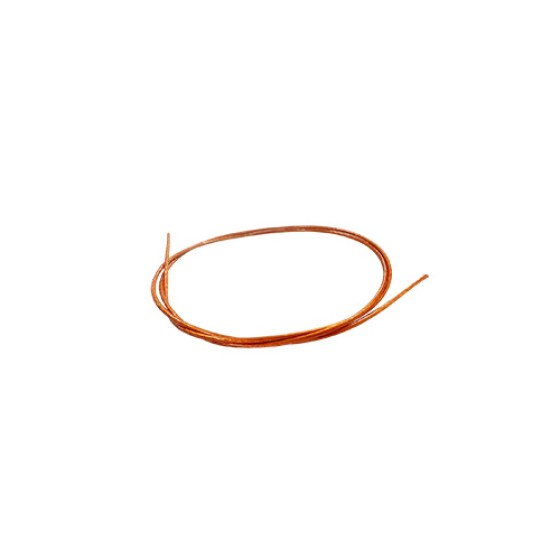
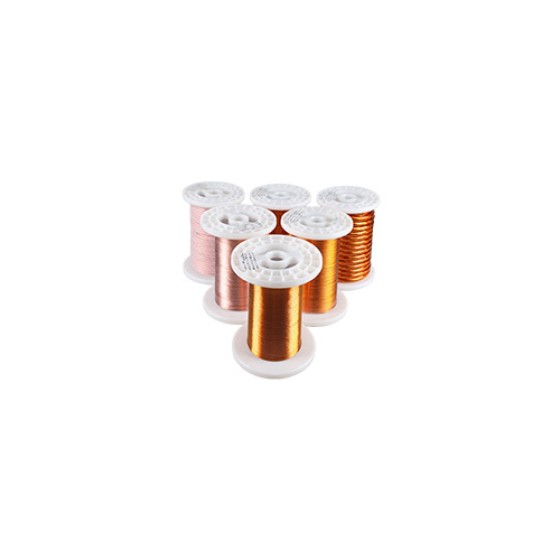
Triple insulated wire is a type of transformer winding wire that has multiple layers of insulation surrounding the copper conductor.
Unlike traditional magnet wire, which mainly relies on a thin enamel coating, triple insulated wire uses several independent insulation layers to improve protection against electrical breakdown.
The structure typically includes:
- Copper conductor
- Primary insulation layer
- Secondary insulation layer
- Additional protective insulation layer
These layers provide enhanced separation between the conductor and other transformer components.
Why Is Additional Insulation Needed?
In a transformer, the primary winding and secondary winding often operate at very different voltage levels.
The primary side may be connected to a high-voltage input, while the secondary side supplies a lower voltage output. If insulation between these two sections fails, it can create a serious safety risk.
Traditional transformer designs often require extra insulation tape, barriers, or larger spacing between windings. While effective, these methods increase transformer size and reduce available winding space.
Triple insulated wire helps solve this problem by integrating additional insulation directly into the wire structure.
Reducing Transformer Size
One of the biggest advantages of triple insulated wire is that it enables more compact transformer designs.
In small power supplies, space inside the transformer bobbin is extremely limited. Designers need to fit enough winding turns while still meeting safety requirements.
Using triple insulated wire allows manufacturers to reduce the amount of additional insulation material required between primary and secondary windings. This creates more room for copper winding and helps achieve higher power density.
This is especially useful in applications such as:
- USB chargers
- Laptop adapters
- LED power supplies
- Battery chargers
- Compact industrial power supplies
Improving Electrical Safety
The main purpose of triple insulated wire is to improve electrical isolation.
The multiple insulation layers provide additional protection against:
- Voltage breakdown
- Insulation aging
- Accidental contact
- Electrical leakage
This makes it suitable for applications where safety standards require reinforced insulation between input and output circuits.
Supporting High Frequency Transformers
Triple insulated wire is commonly used in high-frequency transformers because these designs require compact structures and precise insulation control.
High-frequency transformers operate at much higher switching speeds than traditional power transformers. Although this allows smaller size and higher efficiency, it also increases challenges related to insulation, electromagnetic interference, and winding arrangement.
Triple insulated wire helps designers maintain reliable performance without significantly increasing transformer dimensions.
Triple Insulated Wire vs Traditional Magnet Wire
The main difference between triple insulated wire and conventional enamel wire is the insulation structure.
| Feature | Triple Insulated Wire | Traditional Magnet Wire |
|---|---|---|
| Insulation level | Higher | Basic |
| Safety isolation | Improved | Requires additional barriers |
| Transformer size | More compact | Usually larger |
| Manufacturing complexity | Higher | Lower |
| Common use | High-frequency power supplies | General transformer windings |
Both wire types have important roles, but triple insulated wire is preferred when space and safety requirements are critical.
Applications Using Triple Insulated Wire
Triple insulated wire is commonly found in:
- Flyback transformers
- Switching power supplies
- AC-DC adapters
- Battery charging equipment
- Consumer electronics
- Medical power supplies
- Industrial control systems
These applications often require reliable isolation while maintaining a small physical footprint.
Design Considerations
Although triple insulated wire offers many benefits, it also requires careful consideration during transformer design.
Engineers must evaluate:
- Wire diameter
- Insulation thickness
- Winding method
- Operating temperature
- Mechanical stress during winding
Because the additional insulation increases wire diameter, it may affect the number of turns that can fit inside the transformer. Proper design optimization is necessary to achieve the desired electrical performance.
Why It Matters in Modern Electronics
As electronic devices continue to become smaller and more powerful, transformer designs must achieve higher efficiency while meeting strict safety requirements.
Triple insulated wire provides manufacturers with a practical way to improve isolation without significantly increasing transformer size. It has become an important material in the development of compact and reliable power conversion systems.
Final Thoughts
Triple insulated wire is used in transformers because it provides enhanced insulation performance while allowing smaller and more efficient designs. By improving isolation between high-voltage and low-voltage circuits, it helps manufacturers create safer power supplies for modern electronic applications.
As demand grows for smaller chargers, higher-power adapters, and more efficient electronic systems, triple insulated wire will continue to play an important role in transformer technology.