



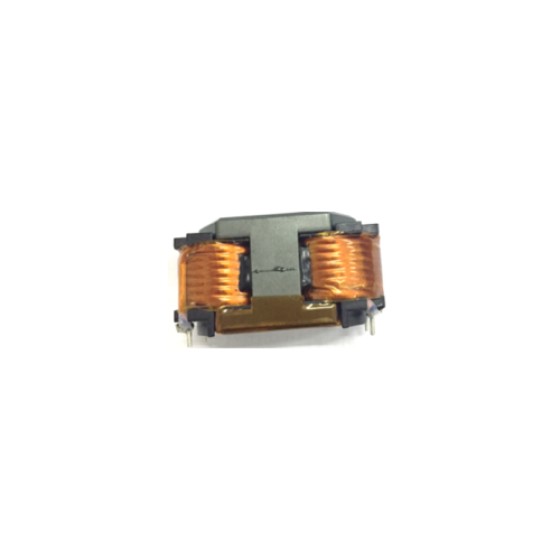
How Are Ferrite Cores Manufactured?
Ferrite cores are one of the most important materials used in transformers, inductors, and other magnetic components. Although they appear simple, producing a high-quality ferrite core requires a carefully controlled manufacturing process. Every step—from selecting raw materials to final inspection—affects magnetic performance, dimensional accuracy, and long-term reliability.
Because modern electronic devices continue to demand higher efficiency and smaller magnetic components, ferrite core manufacturing has become increasingly precise and automated.
Starting with Raw Materials
The manufacturing process begins with carefully selected raw materials. Ferrite is primarily made from iron oxide combined with metal oxides such as manganese oxide, zinc oxide, or nickel oxide, depending on the type of ferrite being produced.
Each ingredient is measured according to a specific formula. Even small changes in composition can affect magnetic permeability, core loss, and operating frequency, so manufacturers maintain tight control over the mixing process.
Once the materials are blended, they are milled into an extremely fine powder to ensure a uniform structure.
Mixing and Granulation
The fine ferrite powder is mixed with small amounts of binders and other additives that improve its forming characteristics.
The mixture is then processed into granules with consistent particle size. Uniform granules flow more easily during molding and help produce cores with even density throughout the finished product.
This stage may seem straightforward, but it has a significant influence on the consistency of the final magnetic properties.
Pressing the Core Shape
After preparation, the ferrite powder is pressed into a mold under high pressure.
The mold determines the basic shape of the ferrite core. Depending on the application, manufacturers produce many different core types, including:
- EE cores
- EI cores
- ETD cores
- PQ cores
- RM cores
- Toroidal cores
- Pot cores
At this stage, the pressed core is often called a green body. Although it already has the required shape, it is still fragile and has not yet developed its final strength or magnetic characteristics.
High-Temperature Sintering
Sintering is the most important step in ferrite core manufacturing.
The pressed cores are placed inside high-temperature kilns, where they are heated to temperatures that typically exceed 1,200°C. During this process, the powder particles bond together to form a dense ceramic material.
Temperature, heating speed, cooling rate, and furnace atmosphere must all be carefully controlled. Even slight variations can affect the material's magnetic performance and dimensional stability.
As the core cools, it shrinks to its final size while developing its characteristic magnetic properties.
Precision Grinding and Machining
After sintering, ferrite cores are extremely hard but also brittle.
Since slight dimensional differences can affect transformer assembly and magnetic performance, many cores undergo precision grinding.
Grinding improves:
- Flatness
- Surface finish
- Dimensional accuracy
- Air gap consistency
Unlike metal parts, ferrite cannot be easily machined with conventional cutting tools, so manufacturers typically use diamond grinding equipment.
Surface Treatment
Some ferrite cores receive additional surface treatments before shipment.
These treatments may include cleaning, protective coatings, or edge polishing to reduce dust and improve handling during transformer assembly.
The specific process depends on the application and customer requirements.
Quality Inspection
Every production batch undergoes extensive quality testing before leaving the factory.
Typical inspections include:
- Dimensional measurement
- Visual inspection
- Density testing
- Magnetic permeability measurement
- Core loss testing
- Saturation performance testing
- Mechanical strength evaluation
Many manufacturers also perform sampling tests under different frequencies and temperatures to verify that the cores meet their design specifications.
Why Manufacturing Precision Matters
Ferrite cores may look identical, but small differences in material composition or production conditions can lead to noticeable changes in transformer performance.
A core with inconsistent density or poor dimensional accuracy can increase magnetic losses, generate more heat, or make transformer assembly more difficult.
For manufacturers producing high-frequency transformers for applications such as AI servers, electric vehicles, renewable energy systems, and industrial automation, maintaining consistent ferrite quality is essential for reliable long-term operation.
From Powder to Precision Component
Although a ferrite core is only one part of a transformer, it plays a major role in determining efficiency, thermal performance, and overall reliability. Producing a high-quality core requires careful control of every manufacturing stage, from raw material preparation to final inspection.
As electronic equipment continues to become smaller and more energy efficient, advances in ferrite core manufacturing will remain an important part of improving the performance of modern magnetic components.