



What Is Triple Insulated Wire and Why Is It Used?
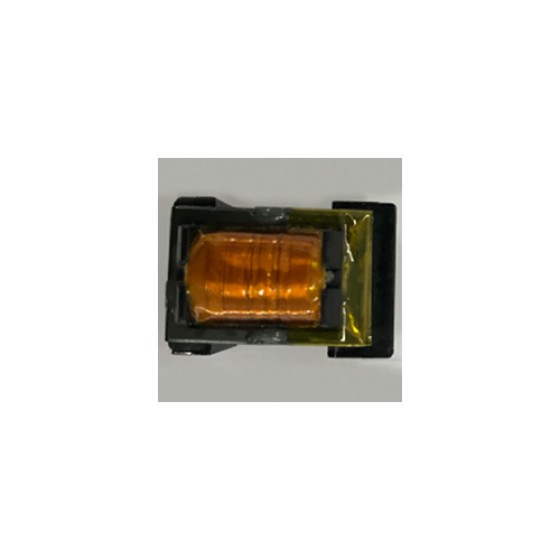
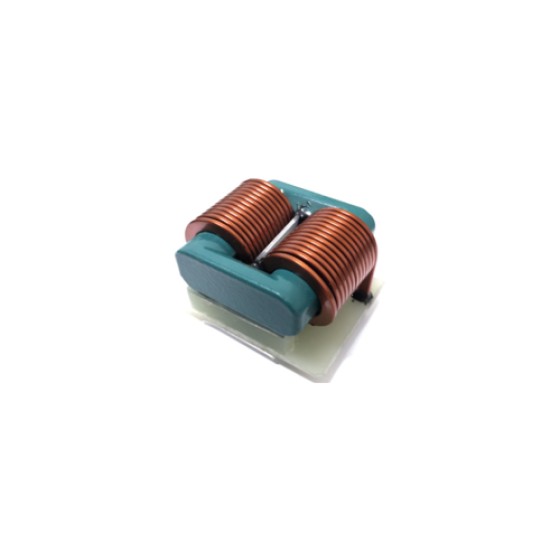
Triple insulated wire is a specially designed type of transformer winding wire that provides enhanced electrical insulation between windings. It is widely used in high frequency transformers, switching power supplies, chargers, and other electronic products where safety, compact size, and reliable insulation are critical.
Compared with conventional enamelled magnet wire, triple insulated wire uses multiple insulation layers around the conductor, allowing transformer designers to reduce the need for additional insulation barriers while maintaining high safety standards.
As electronic devices become smaller and more powerful, triple insulated wire has become an important material for improving transformer performance and simplifying manufacturing processes.
What Is Triple Insulated Wire?
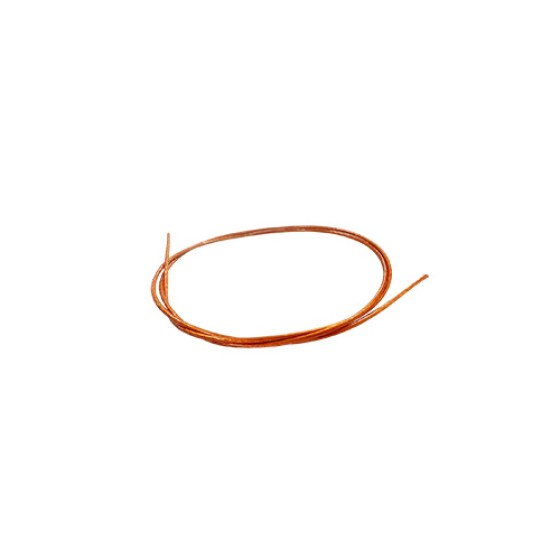
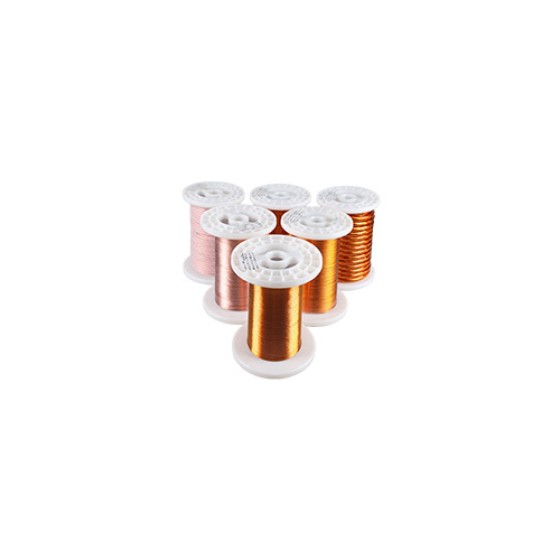
Triple insulated wire, also known as TIW (Triple Insulated Wire), is a copper conductor covered with three separate insulation layers.
A typical structure includes:
- Copper conductor
- First insulation layer
- Second insulation layer
- Third insulation layer
These layers provide reinforced insulation protection between the primary and secondary windings of a transformer.
Unlike standard magnet wire, which relies mainly on enamel coating, triple insulated wire provides a much higher level of electrical isolation.
Why Is Triple Insulated Wire Used in Transformers?
In transformer design, safety isolation between the input and output sides is extremely important.
The primary winding is connected to high-voltage input, while the secondary winding supplies low-voltage output. If insulation between these windings fails, it can create serious safety risks.
Triple insulated wire helps solve this problem by providing:
- Strong electrical isolation
- Reduced risk of insulation breakdown
- Improved safety compliance
- More compact transformer designs
It is especially useful in applications where space is limited and traditional insulation methods are difficult to implement.
Structure of Triple Insulated Wire
The construction of triple insulated wire is designed to provide multiple layers of protection.
Inner Insulation Layer
The first layer protects the conductor and provides basic electrical insulation.
Additional Insulation Layers
The outer insulation layers provide reinforced protection against:
- High voltage stress
- Mechanical damage
- Temperature changes
The multiple insulation system allows the wire to meet strict safety requirements for transformer applications.
Triple Insulated Wire vs Magnet Wire
Although both are used for transformer windings, their structures are different.
| Feature | Triple Insulated Wire | Magnet Wire |
|---|---|---|
| Insulation | Three independent insulation layers | Thin enamel coating |
| Safety Level | Reinforced insulation | Basic insulation |
| Application | Safety transformers, SMPS | General coils and transformers |
| Space Requirement | Reduced insulation barriers | Requires additional insulation |
| Cost | Higher | Lower |
Triple insulated wire is more expensive than conventional magnet wire, but it provides significant advantages in safety and design flexibility.
Advantages of Triple Insulated Wire
Improved Electrical Safety
The main advantage of triple insulated wire is enhanced insulation performance.
It helps transformers meet international safety requirements by providing stronger separation between primary and secondary circuits.
Smaller Transformer Size
Traditional transformer designs often require:
- Insulation tape
- Barrier layers
- Margin tape
Triple insulated wire can reduce the need for some additional insulation materials, allowing manufacturers to create smaller transformer structures.
Simplified Manufacturing
Using triple insulated wire can simplify the winding process.
Benefits include:
- Reduced manual insulation operations
- Faster production
- Improved consistency
- Lower manufacturing complexity
Better Reliability
Multiple insulation layers improve resistance against:
- Voltage stress
- Heat
- Mechanical wear
This helps extend transformer service life.
Applications of Triple Insulated Wire
Triple insulated wire is commonly used in:
Switching Power Supplies
SMPS transformers often use TIW because they require compact designs with reliable isolation.
Applications include:
- Phone chargers
- Laptop adapters
- Industrial power supplies
LED Drivers
LED power supplies require stable operation and safety isolation, making triple insulated wire a common choice.
Electric Vehicle Chargers
EV charging systems require high voltage isolation and reliable operation, where TIW can support compact transformer designs.
Medical Equipment
Medical power supplies have strict insulation requirements, making triple insulated wire useful for safety-critical applications.
Standards and Safety Requirements
Triple insulated wire is commonly designed to meet international safety standards related to reinforced insulation.
Important requirements include:
- Insulation thickness
- Breakdown voltage
- Temperature rating
- Mechanical durability
Depending on the application, manufacturers may design TIW according to standards such as:
- IEC safety requirements
- UL insulation requirements
Compliance ensures reliable performance in consumer and industrial products.
How to Select Triple Insulated Wire?
When choosing triple insulated wire, engineers usually consider:
Wire Diameter
The conductor size determines:
- Current carrying capability
- Resistance
- Heat generation
Temperature Rating
The insulation material must withstand the expected operating temperature.
Voltage Rating
The wire must provide sufficient insulation strength for the transformer design.
Frequency Performance
High frequency applications may require wire designs optimized for reduced AC losses.
Winding Requirements
The wire diameter and flexibility must match the transformer bobbin and winding process.
Future Development of Triple Insulated Wire
As electronic devices continue moving toward higher power density and smaller sizes, demand for advanced insulation materials continues to increase.
Future trends include:
- Higher temperature insulation systems
- Smaller diameter high-performance wires
- Improved flexibility
- Better compatibility with automatic winding machines
These developments support the growth of compact transformers used in EV systems, renewable energy equipment, and advanced power electronics.
Triple insulated wire is an important material in modern transformer manufacturing. By providing multiple layers of insulation protection, it improves electrical safety, reduces transformer size, and simplifies production processes.
With the continued development of switching power supplies, electric vehicles, and high-density electronic systems, triple insulated wire will remain a key solution for designing safer and more efficient high frequency transformers.