




How Does an SMPS Transformer Work?
An SMPS (Switch Mode Power Supply) transformer is one of the most important magnetic components in modern power electronics. Unlike traditional power transformers that operate directly at the AC line frequency of 50 or 60 Hz, an SMPS transformer works at much higher switching frequencies, often ranging from 20 kHz to several hundred kilohertz.
Operating at high frequency allows the transformer to be much smaller, lighter, and more efficient while still delivering the required output power. Today, SMPS transformers are found in almost every electronic device, including laptop chargers, phone adapters, LED drivers, industrial power supplies, telecommunications equipment, and electric vehicle charging systems.
What Is an SMPS Transformer?
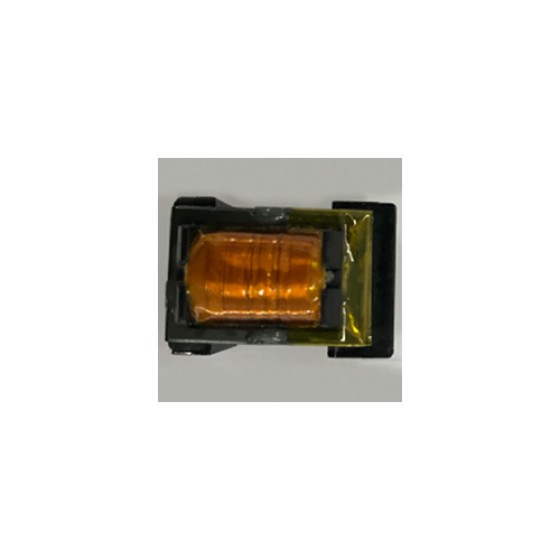
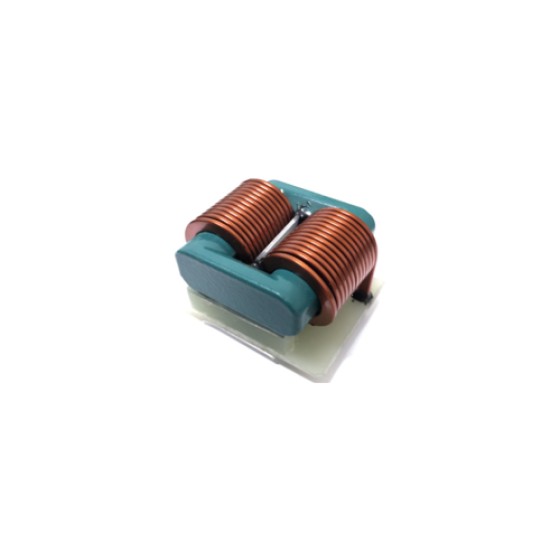
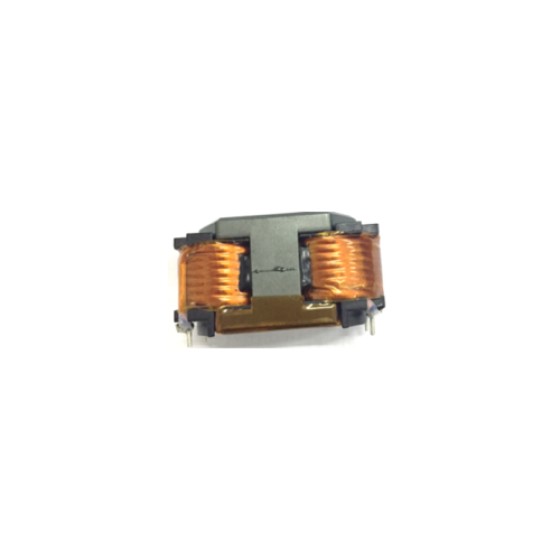
An SMPS transformer is a high-frequency transformer designed specifically for switching power supplies. It transfers electrical energy between the primary and secondary circuits through electromagnetic induction while providing electrical isolation.
Unlike conventional transformers, an SMPS transformer does not operate directly from the incoming AC power. Instead, the AC input is first converted into high-voltage DC, which is then switched at high frequency before being applied to the transformer.
This high-frequency operation greatly reduces the size of the magnetic core and improves overall power conversion efficiency.
The Working Principle of an SMPS Transformer
The operating process of an SMPS transformer involves several stages.
AC Input Conversion
The incoming AC voltage is first rectified into DC by a bridge rectifier and filtered by capacitors.
This creates a stable DC bus for the switching circuit.
High-Frequency Switching
Power switching devices such as MOSFETs or IGBTs rapidly switch the DC voltage on and off.
This produces a high-frequency square wave that is applied to the primary winding of the transformer.
Because the switching frequency is much higher than the mains frequency, the transformer can use a much smaller ferrite core.
Energy Transfer
The alternating magnetic field generated in the primary winding passes through the ferrite core and induces voltage in the secondary winding.
The output voltage depends on the transformer turns ratio and the power supply design.
During this process, the transformer provides:
- Voltage conversion
- Electrical isolation
- Efficient energy transfer
Output Rectification
The high-frequency AC voltage on the secondary side is converted back into DC using fast recovery or Schottky diodes.
The output is then filtered by capacitors and inductors to produce a stable DC voltage for the load.
Why Does an SMPS Transformer Operate at High Frequency?
One of the biggest advantages of switching power supplies is high-frequency operation.
Higher frequencies allow engineers to reduce the size of magnetic components because less core material is required to transfer the same amount of energy.
This results in:
- Smaller transformers
- Lower weight
- Higher efficiency
- Faster power conversion
- Higher power density
Modern SMPS designs often operate between 50 kHz and 500 kHz, while some advanced applications using silicon carbide (SiC) or gallium nitride (GaN) devices operate at even higher frequencies.
Main Components of an SMPS Transformer
Several elements work together to determine transformer performance.
Ferrite Core
Ferrite cores are commonly used because they offer:
- Low core loss
- High magnetic permeability
- Excellent high-frequency performance
Popular core shapes include:
- EE cores
- ETD cores
- PQ cores
- EFD cores
- Planar cores
Primary and Secondary Windings
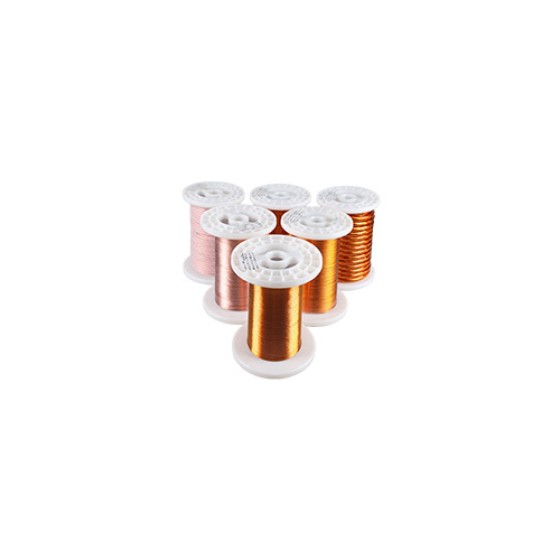
The windings are usually made from:
- Enamelled copper wire
- Litz wire
- Triple insulated wire
The number of winding turns determines the output voltage ratio.
Transformer Bobbin
The bobbin supports the windings and provides electrical insulation between the windings and the ferrite core.
It also helps maintain the required safety distances between the primary and secondary circuits.
Advantages of SMPS Transformers
Compared with conventional low-frequency transformers, SMPS transformers provide many benefits.
Compact Size
High-frequency operation allows much smaller transformer dimensions.
Higher Efficiency
Lower core loss and optimized winding design reduce power loss.
Lightweight Design
Smaller ferrite cores reduce overall product weight.
Better Power Density
More output power can be achieved within a smaller package.
Electrical Isolation
The transformer safely isolates the input power from the output circuit, protecting both equipment and users.
Common Applications
SMPS transformers are used in many industries and electronic products.
Typical applications include:
- Laptop chargers
- Mobile phone chargers
- Desktop power supplies
- LED lighting drivers
- Industrial automation equipment
- Medical devices
- Telecommunications systems
- Renewable energy inverters
- Electric vehicle onboard chargers
- AI server power supplies
Design Considerations
Designing an efficient SMPS transformer requires balancing several factors.
Engineers typically consider:
- Operating frequency
- Input and output voltage
- Output power
- Turns ratio
- Core material
- Air gap design
- Winding arrangement
- Thermal management
- Creepage and clearance distances
A well-designed transformer helps improve efficiency, reduce electromagnetic interference (EMI), and extend product lifespan.
Future Development
As switching frequencies continue to increase, SMPS transformer technology is also evolving.
Current trends include:
- Planar transformer designs
- Advanced ferrite materials
- Low-loss magnetic cores
- Automated precision winding
- Improved thermal management
- Higher power-density designs
These innovations support the growing demand for compact, energy-efficient power supplies in electric vehicles, renewable energy systems, data centers, and next-generation consumer electronics.
An SMPS transformer is the heart of a switching power supply, enabling efficient voltage conversion and safe electrical isolation through high-frequency operation. Compared with traditional transformers, it offers significant advantages in size, efficiency, and power density, making it the preferred choice for modern electronic equipment.
As power electronics continue to advance, SMPS transformers will remain essential for delivering reliable, compact, and energy-efficient power solutions across a wide range of industries.