




What Are Magnetic Components Used in Electric Vehicles?
Electric vehicles (EVs) depend on advanced power electronics to manage energy efficiently. Behind every onboard charger, DC-DC converter, inverter, and battery management system are magnetic components that help convert, store, and control electrical energy.
Although batteries and motors receive most of the attention, magnetic components play a vital role in ensuring an EV operates safely, efficiently, and reliably. As charging speeds increase and power systems become more compact, the demand for high-performance magnetic components continues to grow.
Why Are Magnetic Components Important in EVs?
An electric vehicle contains several power conversion systems that operate at high voltages and high switching frequencies. Magnetic components enable these systems to transfer energy efficiently while minimizing heat and electrical noise.
Their primary functions include:
- Voltage conversion
- Electrical isolation
- Energy storage
- Current filtering
- EMI suppression
- Current sensing
Without properly designed magnetic components, an EV would experience lower efficiency, higher temperatures, and reduced reliability.
High Frequency Transformers
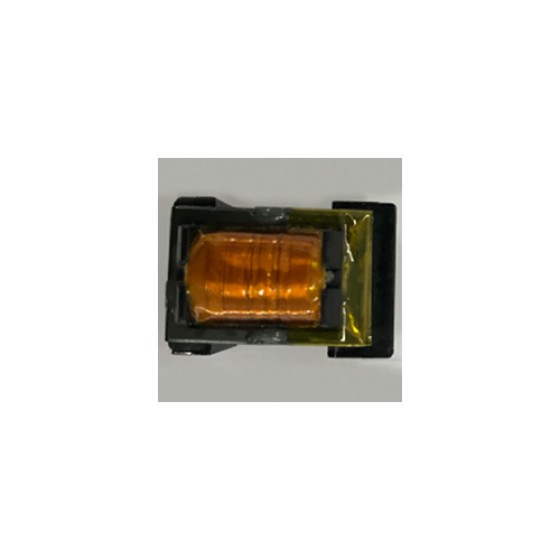
High frequency transformers are widely used in EV power electronics, particularly in onboard chargers (OBCs) and isolated DC-DC converters.
Their main functions include:
- Converting voltage levels
- Providing galvanic isolation
- Improving power conversion efficiency
- Supporting bidirectional energy transfer in some designs
Because modern EV chargers often operate at high switching frequencies, ferrite-core transformers help reduce size and weight while maintaining high efficiency.
Power Inductors
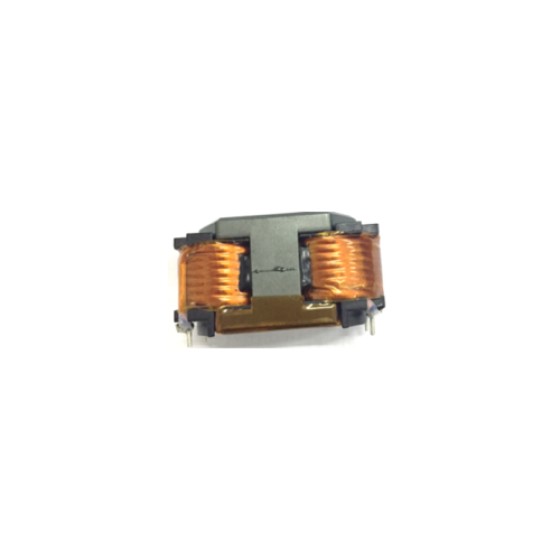
Power inductors are essential for controlling current in many EV systems.
They are commonly found in:
- DC-DC converters
- Battery charging circuits
- Motor drive systems
- Voltage regulators
Power inductors help:
- Store energy
- Smooth current ripple
- Improve voltage stability
- Increase converter efficiency
High-current inductors are especially important in electric vehicles because they must handle large amounts of power while maintaining low losses.
Common Mode Chokes
Electric vehicles generate high-frequency switching noise from inverters, chargers, and power converters.
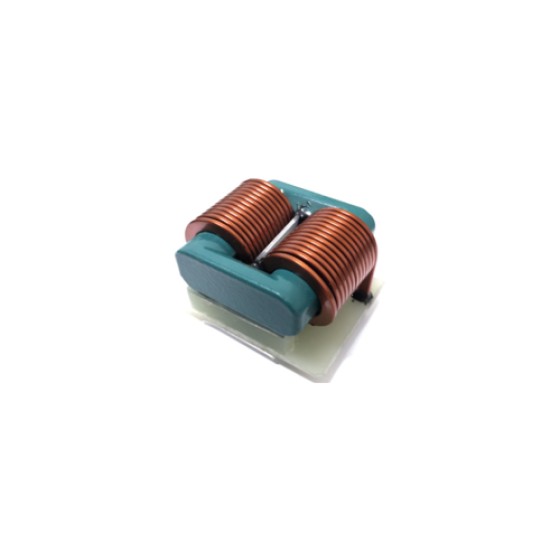
Common mode chokes help reduce electromagnetic interference (EMI) by filtering unwanted noise before it spreads through the electrical system.
They are commonly installed in:
- AC charging inputs
- DC power converters
- Motor drive circuits
- Communication systems
Effective EMI suppression helps vehicles meet international electromagnetic compatibility (EMC) requirements while protecting sensitive electronic modules.
Ferrite Cores
Ferrite cores are used in transformers, inductors, and EMI filters throughout an EV.
Their advantages include:
- Low core losses
- High-frequency performance
- Excellent magnetic efficiency
- Compact size
Common ferrite core shapes used in EV applications include:
- EE cores
- PQ cores
- EFD cores
- Toroidal cores
The choice of ferrite material affects efficiency, temperature rise, and overall system performance.
Current Transformers and Current Sensors
Accurate current measurement is essential for battery management and motor control.
Magnetic current sensors and current transformers are used to monitor:
- Battery charging current
- Motor current
- Inverter output
- Power distribution
These measurements help the vehicle's control system optimize performance and protect electrical components from overload conditions.
Magnetic Components in the Onboard Charger (OBC)
The onboard charger converts AC power from the charging station into DC power for the battery.
Magnetic components used in an OBC include:
- High frequency transformers
- Power inductors
- Common mode chokes
- EMI filter inductors
Together, they improve charging efficiency, reduce electrical noise, and provide safe isolation between the grid and the battery.
Magnetic Components in DC-DC Converters
EVs use DC-DC converters to supply low-voltage systems such as lighting, infotainment, and control modules.
Typical magnetic components include:
- High-current inductors
- Isolation transformers
- Ferrite cores
These components ensure stable voltage conversion while minimizing power loss.
Magnetic Components in Motor Drive Systems
The inverter converts battery DC power into AC power for the traction motor.
Magnetic components in the inverter system help:
- Filter switching noise
- Stabilize current
- Improve efficiency
- Protect sensitive electronics
As switching frequencies continue to increase with the adoption of silicon carbide (SiC) and gallium nitride (GaN) power devices, magnetic component design becomes even more critical.
Key Requirements for EV Magnetic Components
Compared with conventional electronics, EV applications require magnetic components that can withstand more demanding operating conditions.
Important requirements include:
- High efficiency
- Low core loss
- High current capability
- Excellent thermal performance
- Compact size
- Long service life
- Low electromagnetic interference
Manufacturers also focus on reducing weight and improving power density to support longer driving ranges and faster charging.
Future Trends in EV Magnetic Components
As electric vehicle technology evolves, magnetic components are becoming more advanced.
Key development trends include:
- Higher switching frequencies
- Smaller and lighter transformers
- Advanced ferrite materials
- Planar magnetic components
- Automated precision winding
- Higher power-density inductors
These innovations help improve charging speed, reduce energy loss, and support the next generation of electric vehicle platforms.
Magnetic components are fundamental to every major power conversion system in an electric vehicle. From high frequency transformers and power inductors to ferrite cores and common mode chokes, these components enable efficient charging, stable power delivery, and reliable motor control.
As the EV industry continues to expand, advances in magnetic materials, transformer design, and winding technology will play an increasingly important role in improving vehicle performance, energy efficiency, and overall driving experience.