



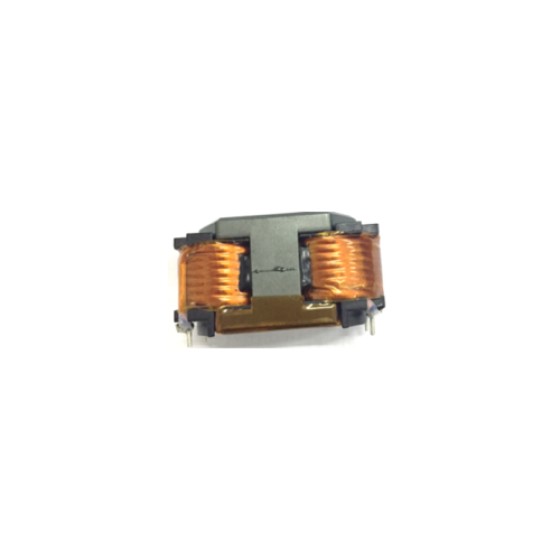
What Is the Role of Magnetic Components in Power Supplies?
Magnetic components are the backbone of modern power supplies. Whether in a smartphone charger, industrial power supply, electric vehicle charger, or renewable energy system, components such as transformers, inductors, ferrite cores, and common mode chokes are responsible for efficient energy conversion and stable circuit operation.
Without properly designed magnetic components, a power supply would suffer from poor efficiency, excessive heat, unstable output voltage, and increased electromagnetic interference (EMI).
Why Are Magnetic Components Important?
Power supplies convert electrical energy from one form to another while maintaining stable voltage and current. Magnetic components perform several critical functions during this process, including:
- Voltage conversion
- Electrical isolation
- Energy storage
- Current filtering
- EMI suppression
- Power factor improvement
These functions improve the overall efficiency, reliability, and safety of electronic equipment.
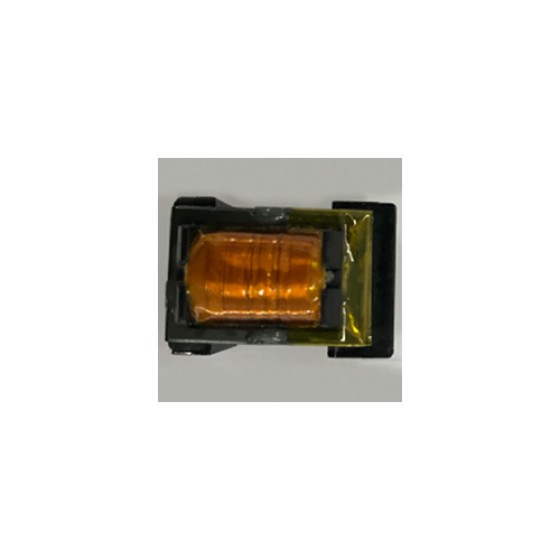
High Frequency Transformers
The transformer is one of the most important magnetic components in a switching power supply.
High frequency transformers transfer energy from the primary circuit to the secondary circuit through electromagnetic induction while providing electrical isolation.
Their main functions include:
- Stepping voltage up or down
- Providing galvanic isolation
- Transferring power efficiently
- Supporting multiple output voltages
Because they operate at high switching frequencies, these transformers are much smaller and lighter than traditional low-frequency transformers while maintaining excellent efficiency.
Typical applications include:
- AC-DC power adapters
- Battery chargers
- LED drivers
- Industrial power supplies
- EV charging systems
Power Inductors
Power inductors store energy in a magnetic field and release it when required by the circuit.
They help regulate current flow and improve the stability of switching converters.
Power inductors are commonly used in:
- Buck converters
- Boost converters
- DC-DC converters
- Voltage regulator modules
Their primary functions include:
- Energy storage
- Current smoothing
- Ripple current reduction
- Voltage stabilization
Proper inductor selection directly affects converter efficiency and thermal performance.
Ferrite Cores
Ferrite cores provide the magnetic path for transformers and inductors.
They concentrate magnetic flux while minimizing energy loss, especially at high operating frequencies.
Common ferrite core shapes include:
- EE cores
- EF cores
- EFD cores
- PQ cores
- Toroidal cores
Ferrite materials offer several advantages:
- Low core loss
- High electrical resistivity
- Excellent high-frequency performance
- Compact magnetic design
The choice of ferrite material has a significant impact on efficiency and operating temperature.
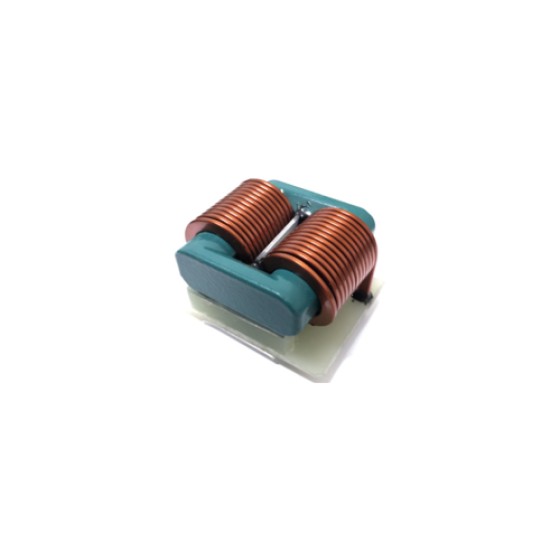
Common Mode Chokes
Power supplies often generate high-frequency electrical noise during switching.
Common mode chokes are designed to suppress unwanted electromagnetic interference without affecting the normal power signal.
Their benefits include:
- Reduced conducted EMI
- Improved electromagnetic compatibility (EMC)
- Better compliance with international standards
- Increased system reliability
Common mode chokes are widely used in:
- Power adapters
- Industrial equipment
- Medical devices
- Communication systems
EMI Filters
Magnetic components also play an important role in EMI filter circuits.
Combined with capacitors, inductors and common mode chokes help:
- Reduce conducted noise
- Prevent interference with nearby equipment
- Improve power quality
- Protect sensitive electronic circuits
Effective EMI filtering is essential for products that must comply with international EMC regulations.
Magnetic Components Improve Power Efficiency
One of the biggest goals of modern power supply design is achieving higher efficiency.
Well-designed magnetic components help reduce:
- Copper losses
- Core losses
- Switching losses
- Heat generation
Higher efficiency offers several benefits:
- Lower energy consumption
- Smaller cooling systems
- Longer component life
- Higher power density
These advantages are especially important in electric vehicles, data centers, renewable energy systems, and industrial automation.
Thermal Management
Magnetic components also influence the thermal performance of a power supply.
Poorly designed transformers or inductors can generate excessive heat due to:
- High winding resistance
- Core saturation
- Improper ferrite material selection
- Inadequate cooling
Engineers often optimize:
- Core size
- Winding structure
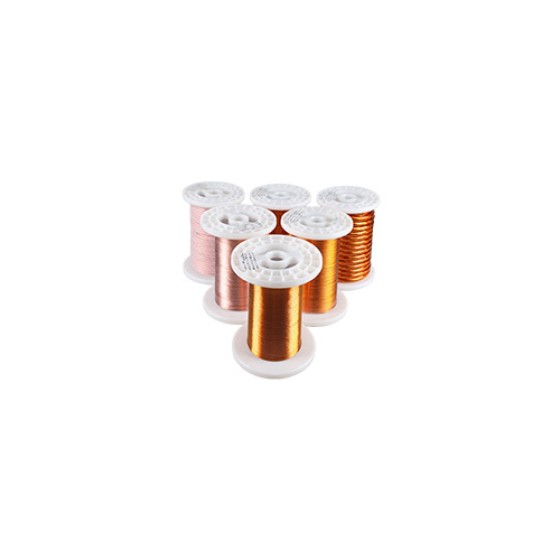
- Magnet wire type
- Air gap design
to maintain acceptable operating temperatures.
Applications Across Different Industries
Magnetic components are found in almost every type of power conversion equipment.
Common industries include:
- Consumer electronics
- Telecommunications
- Automotive electronics
- Renewable energy
- Industrial automation
- Medical equipment
- Aerospace systems
- Data centers
As power electronics continue to evolve, magnetic components are becoming more compact, efficient, and capable of handling higher switching frequencies.
Future Trends in Magnetic Components
The demand for high-performance magnetic components continues to grow with the development of technologies such as electric vehicles, AI servers, renewable energy, and fast-charging systems.
Future development focuses on:
- Higher power density
- Lower core losses
- Improved thermal management
- Advanced ferrite materials
- Automated winding technologies
- Miniaturized magnetic components
These innovations enable power supplies to become smaller, more efficient, and more reliable.
Magnetic components are indispensable in modern power supplies. Transformers provide voltage conversion and isolation, inductors store and regulate energy, ferrite cores improve magnetic efficiency, and common mode chokes suppress electromagnetic interference. Together, these components ensure that power supplies deliver stable, efficient, and reliable performance across a wide range of electronic applications.
As power electronics continue to advance, high-quality magnetic component design will remain a key factor in improving energy efficiency and meeting the increasing demands of modern electronic systems.