


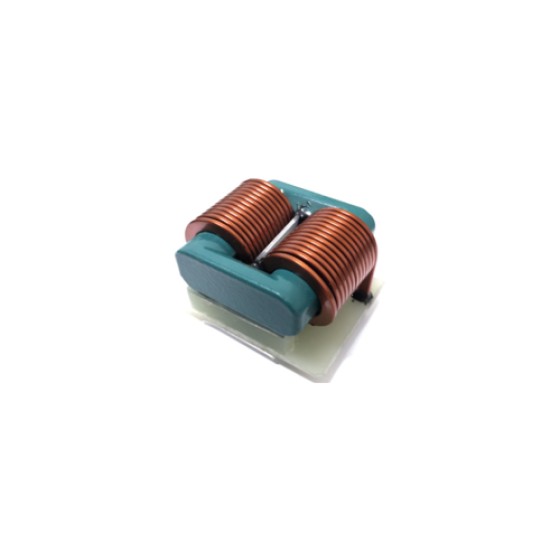
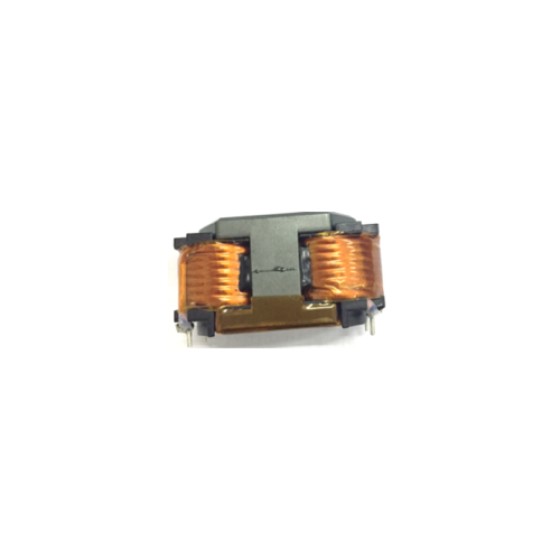
What Is the Difference Between EE and EF Bobbins?
Transformer bobbins provide the framework for winding transformer coils and help maintain insulation between the windings and the magnetic core. Among the many bobbin designs available, EE bobbins and EF bobbins are two of the most commonly used in high frequency transformers.
Although they serve the same basic purpose, EE and EF bobbins differ in shape, winding space, transformer size, and application. Choosing the right bobbin can improve manufacturing efficiency, thermal performance, and overall transformer reliability.
What Is an EE Bobbin?
An EE bobbin is designed to fit EE ferrite cores, which consist of two matching E-shaped core halves. The bobbin is installed around the center leg of the core and provides space for the transformer windings.
Because of its symmetrical design, the EE bobbin is easy to manufacture and wind, making it one of the most widely used bobbins in the electronics industry.
EE bobbins are commonly found in:
- Switching power supplies
- AC/DC adapters
- LED drivers
- Industrial power supplies
- Battery chargers
They are available in many standard sizes, such as EE13, EE16, EE19, EE25, EE30, EE42, and larger models for higher-power applications.
What Is an EF Bobbin?
An EF bobbin is designed specifically for EF ferrite cores. Compared with EE cores, EF cores have a flatter profile and a different magnetic structure, allowing transformers to be built with a lower overall height.
EF bobbins are commonly used in products where vertical space is limited.
Typical applications include:
- Slim power adapters
- Consumer electronics
- Communication equipment
- LED lighting power supplies
- Compact industrial electronics
Because EF transformers are designed to save space, their bobbins are optimized for compact winding layouts.
Structural Differences
The biggest difference between EE and EF bobbins is their shape.
EE Bobbin
Characteristics include:
- Symmetrical structure
- Larger winding window
- Greater winding flexibility
- Easier coil production
- Suitable for a wide range of power levels
EF Bobbin
Characteristics include:
- Flatter profile
- Compact structure
- Reduced transformer height
- Optimized for space-saving designs
- Better suited to low-profile electronic products
Although both types perform the same function, they are not interchangeable because each is designed for a specific ferrite core.
Winding Space Comparison
The available winding space directly affects transformer design.
EE bobbins generally provide:
- Larger winding window
- More space for thicker wire
- Easier multilayer winding
- Better support for higher-power transformers
EF bobbins usually offer:
- More compact winding space
- Better utilization of limited PCB height
- Optimized layouts for compact power supplies
Engineers must ensure the selected bobbin can accommodate the required number of winding turns while maintaining proper insulation distances.
Typical Applications
EE Bobbin Applications
EE bobbins are widely used in:
- High frequency transformers
- Flyback transformers
- Forward transformers
- Industrial power supplies
- Power converters
- Battery charging equipment
Their larger winding area makes them suitable for medium- and high-power applications.
EF Bobbin Applications
EF bobbins are commonly used in:
- Compact switching power supplies
- Slim chargers
- Consumer electronics
- Communication devices
- Portable electronic equipment
Their lower profile helps designers reduce the overall size of electronic products.
EE Bobbin vs EF Bobbin Comparison
| Feature | EE Bobbin | EF Bobbin |
|---|---|---|
| Matching Core | EE ferrite core | EF ferrite core |
| Shape | Standard E-type | Flat, low-profile design |
| Winding Space | Larger | More compact |
| Transformer Height | Higher | Lower |
| Manufacturing | Easy winding | Compact winding design |
| Typical Applications | Power supplies, industrial equipment | Slim adapters, consumer electronics |
Materials Used for EE and EF Bobbins
Both EE and EF bobbins are typically manufactured from engineering plastics with excellent electrical insulation and thermal stability.
Common materials include:
- PBT (Polybutylene Terephthalate)
- Nylon (PA66)
- PPS (Polyphenylene Sulfide)
- LCP (Liquid Crystal Polymer)
Many bobbins use UL 94 V-0 flame-retardant materials to improve electrical safety and meet international standards.
The choice of material depends on:
- Operating temperature
- Mechanical strength
- Insulation requirements
- Manufacturing process
How to Choose Between EE and EF Bobbins?
The selection depends on the transformer design and application.
Choose an EE bobbin when:
- Higher power handling is required
- More winding space is needed
- Manufacturing flexibility is important
- Standard transformer dimensions are acceptable
Choose an EF bobbin when:
- Product height must be minimized
- PCB space is limited
- Compact transformer design is required
- Low-profile power supplies are being developed
Engineers should also consider:
- Ferrite core compatibility
- Winding turns
- Wire diameter
- Creepage and clearance requirements
- Thermal performance
EE and EF bobbins are both widely used in high frequency transformer manufacturing, but each is designed for different mechanical and electrical requirements. EE bobbins provide larger winding space and greater design flexibility, while EF bobbins enable slimmer transformer designs for compact electronic products.
Selecting the correct bobbin ensures better winding efficiency, reliable insulation, and improved transformer performance, making it an important part of successful magnetic component design.