



What Is the Difference Between SMD and Wire Wound Inductors?
Inductors are essential magnetic components used in power supplies, filtering circuits, signal processing systems, and many electronic devices. As electronic products become smaller and more powerful, different types of inductors have been developed to meet various design requirements.
Two common types are SMD inductors and wire wound inductors. Although both components store energy through magnetic fields, their structures, manufacturing methods, electrical performance, and application areas are different.
Understanding the differences between SMD and wire wound inductors helps engineers select the right component for their circuit design.
What Is an SMD Inductor?
An SMD (Surface Mount Device) inductor is a compact magnetic component designed for direct mounting onto printed circuit boards (PCBs).
SMD inductors are manufactured using automated processes and are commonly used in modern electronic devices where space saving and high production efficiency are important.
Common applications include:
- Smartphones
- Consumer electronics
- Portable devices
- Communication equipment
- Compact power modules
SMD inductors are available in different structures, including:
- Multilayer inductors
- Thin-film inductors
- SMD power inductors
What Is a Wire Wound Inductor?
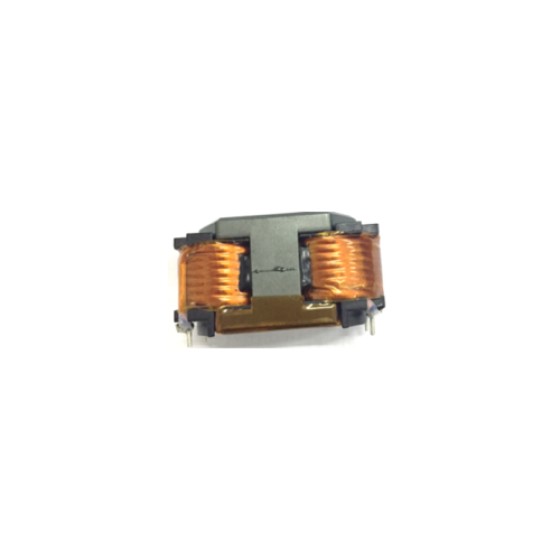
A wire wound inductor is made by winding insulated wire around a magnetic core or forming a coil structure.
The winding process allows manufacturers to optimize the number of turns, wire diameter, and magnetic characteristics according to application requirements.
Wire wound inductors are commonly used in applications requiring higher current handling and better electrical performance.
Typical applications include:
- DC-DC converters
- Switching power supplies
- Automotive electronics
- Industrial equipment
- Energy storage circuits
Structural Differences Between SMD and Wire Wound Inductors
The main difference between these two inductors is their internal construction.
SMD Inductor Structure
SMD inductors usually have:
- Compact molded package
- Internal conductive layers or embedded coils
- Magnetic materials surrounding the conductor
Their small size makes them suitable for high-density PCB layouts.
Wire Wound Inductor Structure
Wire wound inductors consist of:
- Copper magnet wire
- Ferrite or magnetic powder core
- External terminals
The winding structure provides greater flexibility in controlling electrical characteristics.
Performance Comparison
Inductance Value
Wire wound inductors generally provide a wider range of inductance values because the winding structure can be customized.
SMD inductors are typically designed for compact applications where standard values are sufficient.
Current Handling Capability
Wire wound inductors usually support higher current levels because they can use thicker copper wire with lower resistance.
SMD power inductors have improved significantly but may still have limitations due to their compact size.
Power Loss
Wire wound inductors often provide lower DC resistance, which helps reduce copper losses.
However, SMD inductors can offer advantages in high-frequency applications due to their optimized structure.
Frequency Performance
SMD inductors are commonly used in high frequency circuits because of their compact design and low parasitic characteristics.
Wire wound inductors can also perform well at high frequencies when designed with appropriate materials and winding methods.
SMD Inductor vs Wire Wound Inductor Comparison
| Feature | SMD Inductor | Wire Wound Inductor |
|---|---|---|
| Structure | Compact surface mount design | Copper wire wound around core |
| Size | Smaller | Usually larger |
| Current Capacity | Medium | Higher |
| Customization | Limited | More flexible |
| Manufacturing | Automated production | Winding process required |
| Main Applications | Compact electronics | Power and high current applications |
Applications of SMD Inductors
SMD inductors are widely used in products where PCB space is limited.
Common applications include:
Mobile Electronics
Used in:
- Smartphones
- Tablets
- Wearable devices
RF Circuits
SMD inductors are used for:
- Signal filtering
- Impedance matching
- Frequency tuning
Compact Power Management
Applications include:
- Small DC-DC converters
- Battery-powered devices
- Portable electronics
Applications of Wire Wound Inductors
Wire wound inductors are preferred when higher performance is required.
Common applications include:
Power Supplies
They are widely used in:
- Switching regulators
- DC-DC converters
- Power modules
Automotive Electronics
Electric vehicles and automotive systems require inductors that can handle:
- High current
- Temperature changes
- Long operating periods
Industrial Equipment
Wire wound inductors are used in:
- Motor control systems
- Industrial power supplies
- Energy conversion equipment
How to Choose Between SMD and Wire Wound Inductors?
The correct choice depends on the circuit requirements.
Choose an SMD inductor when:
- PCB space is limited
- Small size is important
- Automated assembly is required
- Medium power performance is sufficient
Choose a wire wound inductor when:
- Higher current capability is needed
- Lower resistance is required
- Customized inductance values are necessary
- Power efficiency is a priority
Engineers should also consider:
- Operating frequency
- Inductance value
- Saturation current
- Temperature rise
- DC resistance
Future Development of Inductor Technology
As electronic devices continue to become smaller and more powerful, both SMD and wire wound inductors continue to improve.
SMD inductors are developing toward:
- Higher current density
- Lower resistance
- Better thermal performance
Wire wound inductors are evolving toward:
- Higher efficiency
- Improved automation
- Better high-frequency performance
Both SMD and wire wound inductors play important roles in modern electronics. SMD inductors are ideal for compact and high-density circuit designs, while wire wound inductors provide better performance for power applications requiring high current and efficiency.
Selecting the right inductor type depends on balancing size, electrical performance, power requirements, and application conditions.