


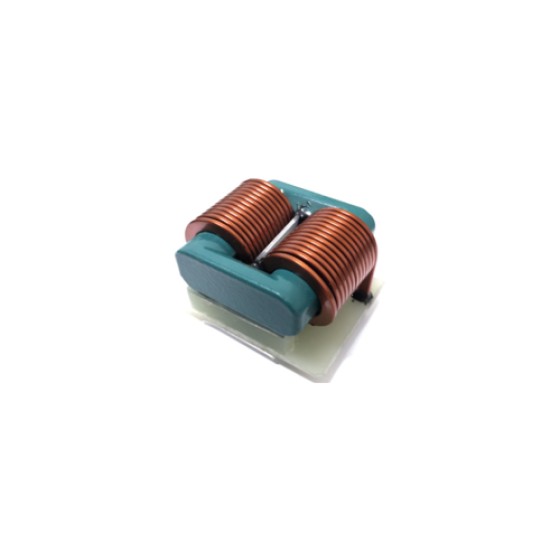
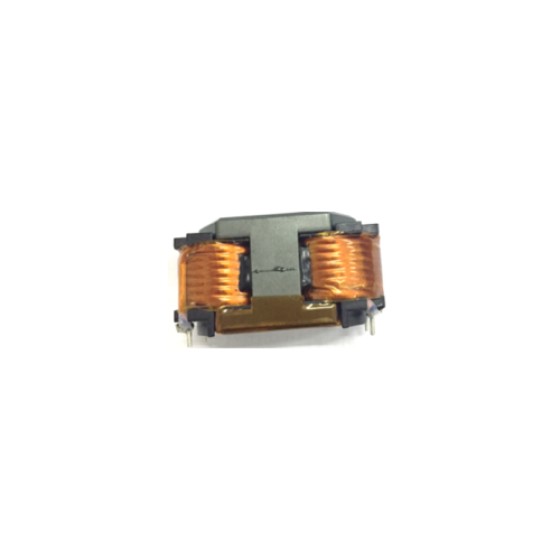
What Is an EE Ferrite Core?
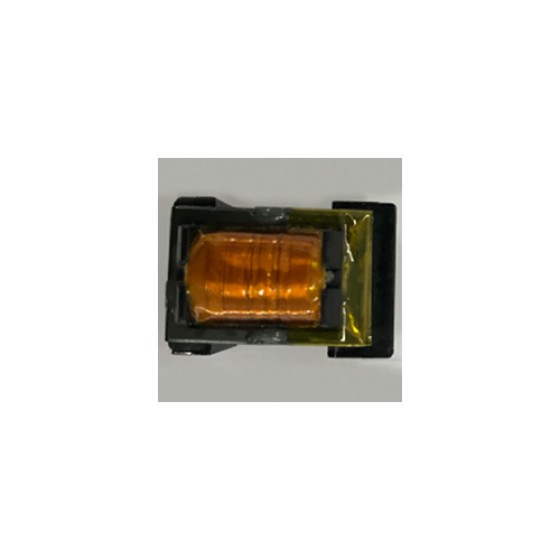
EE ferrite cores are one of the most commonly used magnetic core structures in electronic transformers and inductors. Named after their shape, an EE core consists of two matching E-shaped ferrite pieces that form a closed magnetic path when assembled together.
Because of their simple structure, excellent magnetic performance, and easy manufacturing process, EE ferrite cores are widely used in switching power supplies, adapters, LED drivers, and other high frequency electronic applications.
Understanding the Structure of an EE Ferrite Core
An EE ferrite core is made from two E-shaped ferrite components placed face to face.
The basic structure includes:
- Two E-shaped ferrite core halves
- A central magnetic leg
- Outer magnetic legs
- A winding bobbin installed between the core sections
The coil winding is placed around the center leg of the core. When current flows through the winding, the ferrite material provides a low-reluctance path for magnetic flux, improving energy transfer efficiency.
The symmetrical design of EE cores makes them easy to manufacture and assemble, which is why they are widely adopted in mass production of electronic transformers.
How Does an EE Ferrite Core Work?
The working principle of an EE ferrite core is based on electromagnetic induction.
When an alternating current passes through the transformer winding, it creates a changing magnetic field. The EE ferrite core guides this magnetic flux through its magnetic path and improves coupling between the primary and secondary windings.
In high frequency transformers, the ferrite core helps to:
- Increase magnetic efficiency
- Reduce energy losses
- Improve transformer power density
- Support compact designs
The performance of an EE core depends on factors such as ferrite material, core size, operating frequency, and air gap design.
Why Are EE Ferrite Cores Used in High Frequency Transformers?
EE ferrite cores are especially popular in high frequency transformer applications because they provide several advantages.
Low Core Loss
Ferrite materials have excellent high frequency characteristics and low energy loss compared with traditional metal cores.
This helps reduce:
- Heat generation
- Power consumption
- Efficiency losses
Easy Winding and Assembly
The open structure of the E-shaped core provides enough space for winding operations.
Manufacturers can easily produce transformer coils using:
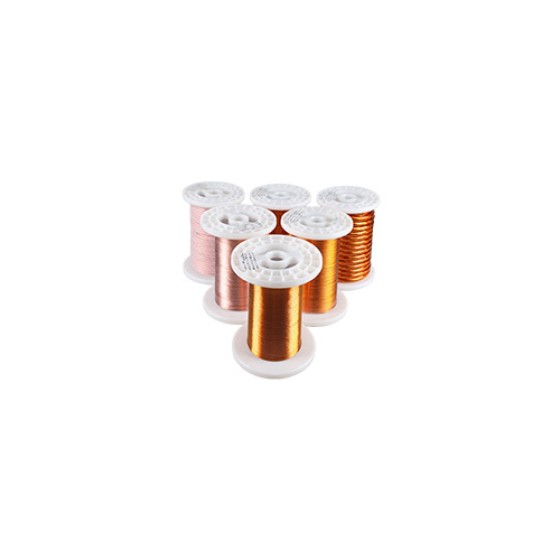
- Copper magnet wire
- Triple insulated wire
- Litz wire
This makes EE cores suitable for automated transformer production.
Cost-Effective Manufacturing
EE ferrite cores are produced in large quantities because their design is simple and standardized.
Benefits include:
- Lower production cost
- Shorter manufacturing cycles
- Easy replacement availability
Common Applications of EE Ferrite Cores
EE ferrite cores are widely used in many electronic and power applications.
Switching Power Supplies
They are commonly found in:
- AC/DC adapters
- Battery chargers
- Industrial power supplies
High Frequency Transformers
EE cores are widely used for:
- Flyback transformers
- Forward transformers
- Push-pull transformers
LED Drivers
Many LED power supplies use EE ferrite core transformers because they require compact size and high efficiency.
Industrial Electronics
Applications include:
- Control systems
- Automation equipment
- Power modules
Different Types of EE Ferrite Core Materials
The ferrite material selection depends on operating frequency and application requirements.
MnZn Ferrite
MnZn ferrite is commonly used in power applications because it provides:
- High permeability
- Good magnetic flux density
- Suitable performance for switching frequencies
Typical applications:
- Power transformers
- Inductors
- SMPS transformers
NiZn Ferrite
NiZn ferrite provides higher electrical resistivity and better performance at higher frequencies.
It is mainly used in:
- RF applications
- Signal transformers
- EMI components
EE Core Size Selection
EE ferrite cores are available in many sizes, and the correct size depends on the transformer requirements.
Important factors include:
- Output power
- Operating frequency
- Voltage requirements
- Temperature conditions
- Available space
A larger EE core generally supports higher power, but it also increases size and cost.
Engineers need to balance electrical performance and mechanical requirements when selecting an EE core.
EE Ferrite Core With Air Gap
Some EE cores include an air gap in the magnetic path.
The air gap is used to control magnetic characteristics and prevent core saturation.
Air-gapped EE cores are commonly used in:
- Flyback transformers
- Power inductors
- Energy storage applications
The size of the air gap directly affects inductance and energy storage capability.
EE Ferrite Core vs Other Ferrite Core Shapes
Different ferrite core shapes have different advantages.
Compared with other core types:
EE Core
- Simple structure
- Easy manufacturing
- Wide application range
EF Core
- More compact design
- Suitable for space-limited applications
PQ Core
- Higher power density
- Better winding utilization
Toroidal Core
- Low leakage flux
- Reduced electromagnetic interference
The choice depends on the specific transformer or inductor requirements.
EE ferrite cores remain one of the most important magnetic components in modern electronics. Their combination of low loss, reliable performance, easy manufacturing, and flexible design makes them a preferred choice for high frequency transformers and power conversion systems.
As electronic devices continue to demand smaller size and higher efficiency, EE ferrite core technology continues to play an important role in transformer and inductor development.