




What Are the Common Transformer Failure Causes?
Transformers are designed to provide reliable energy transfer in electronic and power systems, but like any electrical component, they can experience failures during operation. A transformer failure can lead to reduced efficiency, equipment downtime, and even damage to surrounding circuits.
Understanding the common causes of transformer failure helps engineers improve design, select suitable materials, and develop more reliable power solutions.
Most transformer failures are not caused by a single issue. In many cases, problems develop gradually due to excessive stress, poor thermal management, improper component selection, or manufacturing defects.
Overheating Due to Excessive Losses
Overheating is one of the most common reasons for transformer failure.
During operation, transformers naturally generate heat from:
- Copper loss in windings
- Core loss in magnetic materials
- Switching losses in electronic transformers
When heat generation exceeds the cooling capability, the internal temperature rises beyond the safe operating range.
Continuous overheating can cause:
- Insulation aging
- Wire coating damage
- Reduced magnetic performance
- Shortened transformer lifespan
Proper thermal design and accurate power calculations are essential to prevent excessive temperature rise.
Transformer Overload
Operating a transformer beyond its rated capacity can significantly reduce reliability.
When the load exceeds the designed power rating:
- Current increases
- Copper losses rise
- Winding temperature increases
- Insulation stress becomes higher
Short-term overload may be acceptable in some applications, but continuous overload operation can permanently damage the transformer.
Selecting the correct transformer power rating is one of the most important steps in avoiding overload-related failures.
Insulation Breakdown
Transformer insulation plays a critical role in preventing electrical failures.
Insulation damage may occur due to:
- Excessive temperature
- High voltage stress
- Aging materials
- Manufacturing defects
- Mechanical damage
When insulation fails, adjacent windings may come into contact, causing:
- Short circuits
- Reduced efficiency
- Complete transformer failure
High-quality insulation materials and proper winding techniques are essential for long-term reliability.
Core Saturation Problems
The magnetic core is a key component that determines transformer performance.
Core saturation occurs when the magnetic flux exceeds the core material's limit. When this happens:
- Magnetizing current increases rapidly
- Heat generation increases
- Efficiency decreases
Common causes of core saturation include:
- Incorrect core size
- Improper turns design
- Excessive input voltage
- Unsuitable core material
For high frequency transformers, selecting the correct ferrite core material and operating conditions is especially important.
Poor Transformer Winding Design
The winding structure has a major impact on transformer performance.
Poor winding design can cause:
- Increased resistance
- Higher copper loss
- Excessive leakage inductance
- Poor heat distribution
Common winding-related issues include:
- Incorrect wire diameter
- Uneven winding layers
- Insufficient insulation distance
- Poor connection quality
Modern transformer designs often use optimized winding methods and advanced magnet wire technologies to improve efficiency.
Wrong Magnetic Core Selection
Different applications require different magnetic core materials.
Using an unsuitable core can lead to:
- High core losses
- Excessive temperature rise
- Lower efficiency
- Magnetic saturation
For example, high frequency transformers typically use ferrite cores because they perform well at high operating frequencies.
Common factors considered when selecting a core include:
- Operating frequency
- Power level
- Temperature range
- Magnetic characteristics
Manufacturing Defects
Even with a good design, manufacturing problems can affect transformer reliability.
Common manufacturing issues include:
- Poor winding tension control
- Damaged wire insulation
- Incorrect assembly
- Loose core installation
- Inadequate testing
Quality control during transformer production helps identify potential problems before products are delivered.
Environmental Factors
Operating conditions can also affect transformer lifetime.
External factors that may contribute to failure include:
- High ambient temperature
- Humidity
- Dust contamination
- Vibration
- Poor ventilation
Transformers used in industrial, automotive, and outdoor applications often require additional protection against harsh environments.
Poor Component Quality
The performance of a transformer depends on the quality of every component used in manufacturing.
Important components include:
- Ferrite cores
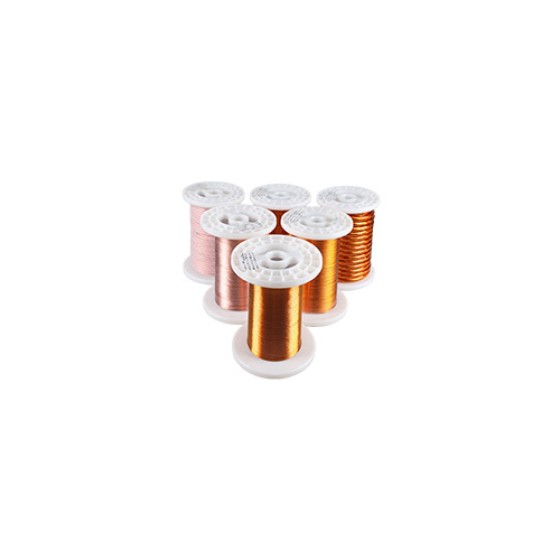
- Magnet wire
- Transformer bobbins
- Insulation materials
- Terminals
Low-quality materials may increase losses and reduce long-term reliability.
Using reliable suppliers and proper testing procedures helps ensure consistent transformer performance.
How to Prevent Transformer Failures?
Several methods can improve transformer reliability:
Proper Design Calculation
Engineers should carefully calculate:
- Power requirements
- Turns ratio
- Core size
- Current density
- Thermal conditions
Select Suitable Materials
Choosing the correct ferrite core, wire type, and insulation materials improves efficiency and durability.
Perform Quality Testing
Common transformer tests include:
- Voltage withstand testing
- Insulation resistance testing
- Inductance testing
- Temperature rise testing
Maintain Proper Operating Conditions
Avoiding overload, improving cooling, and monitoring operating conditions can significantly extend transformer life.
Transformer failures are usually the result of electrical stress, thermal problems, material selection issues, or manufacturing quality problems. By understanding these common failure causes, engineers and manufacturers can design more reliable transformers for applications ranging from consumer electronics to industrial power systems.
As electronic devices continue to require higher efficiency and smaller designs, improving transformer reliability remains a key focus in modern power electronics.