



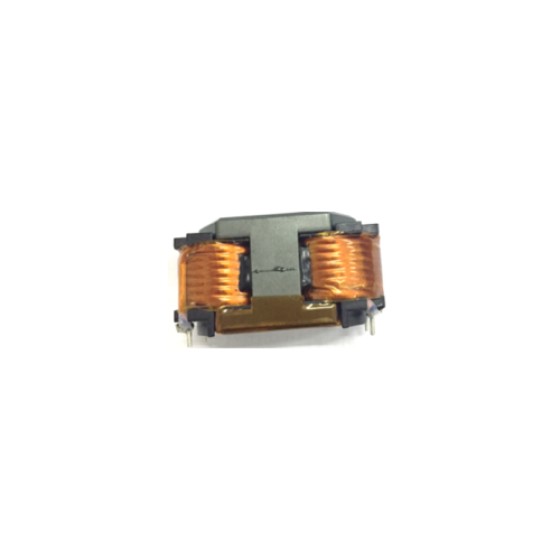
MnZn Ferrite vs NiZn Ferrite: What Are the Differences?
Ferrite materials are widely used in transformers, inductors, filters, and other magnetic components because they provide excellent performance at high frequencies. Among different ferrite materials, MnZn ferrite and NiZn ferrite are two of the most commonly used types.
Although both materials are based on ferrite ceramics, their magnetic properties, electrical characteristics, and application areas are quite different. Choosing the right ferrite material is an important step in designing efficient and reliable magnetic components.
Understanding MnZn Ferrite and NiZn Ferrite
Ferrite is a ceramic magnetic material mainly made from iron oxide combined with other metal oxides. By changing the composition of these metal elements, manufacturers can create ferrite materials with different magnetic characteristics.
MnZn ferrite is made mainly from manganese oxide and zinc oxide, while NiZn ferrite uses nickel oxide and zinc oxide. The difference in composition gives them different performance advantages.
MnZn Ferrite: High Permeability for Power Applications
MnZn ferrite is one of the most widely used materials for power transformers and inductors. It has high magnetic permeability and good saturation characteristics, making it suitable for applications where efficient energy transfer is required.
Typical features of MnZn ferrite include:
- High initial permeability
- Good magnetic flux density
- Strong energy transfer capability
- Good performance at low and medium frequencies
Because of these characteristics, MnZn ferrite is commonly used in:
- High frequency transformers
- Switching power supplies
- Power inductors
- Common mode chokes
- Power conversion equipment
For example, many EE core, EF core, and PQ core transformers used in switching power supplies are manufactured with MnZn ferrite materials.
NiZn Ferrite: Designed for Higher Frequency Applications
NiZn ferrite has higher electrical resistivity compared with MnZn ferrite. This allows it to achieve lower eddy current losses at higher frequencies.
The main advantages of NiZn ferrite include:
- Higher electrical resistance
- Excellent high-frequency performance
- Low electromagnetic interference
- Stable operation at RF frequencies
NiZn ferrite is commonly used in:
- RF transformers
- High frequency inductors
- Signal transformers
- EMI suppression components
- Communication equipment
When applications require operation at very high frequencies, NiZn ferrite is often a better choice.
Key Differences Between MnZn Ferrite and NiZn Ferrite
| Feature | MnZn Ferrite | NiZn Ferrite |
|---|---|---|
| Main Materials | Manganese Zinc | Nickel Zinc |
| Magnetic Permeability | Higher | Lower |
| Electrical Resistivity | Lower | Higher |
| Frequency Range | Low to medium frequency | High frequency |
| Main Applications | Power transformers, inductors | RF components, EMI filters |
| Energy Storage Capability | Better | Limited |
How to Choose Between MnZn and NiZn Ferrite?
The choice between MnZn ferrite and NiZn ferrite depends mainly on operating frequency, power level, and application requirements.
For power conversion applications, such as switching power supplies and high frequency transformers, MnZn ferrite is usually preferred because it provides higher permeability and better magnetic flux performance.
For high-frequency signal applications, NiZn ferrite is often selected because of its higher resistivity and lower losses at higher frequencies.
Engineers also need to consider other factors, including:
- Operating temperature
- Core size
- Power density
- Magnetic saturation
- Required efficiency
Selecting the wrong ferrite material can result in increased losses, excessive temperature rise, and reduced component reliability.
Applications in Modern Electronics
Both MnZn and NiZn ferrites are essential materials in modern electronic systems.
MnZn ferrite is widely found in:
- AC/DC adapters
- LED power supplies
- Industrial power supplies
- EV charging systems
- Renewable energy equipment
NiZn ferrite is commonly used in:
- High-frequency communication systems
- EMI noise filters
- Signal processing circuits
- RF devices
As electronic devices continue to require higher efficiency and smaller designs, ferrite materials remain a key technology for improving magnetic component performance.
Understanding the differences between MnZn ferrite and NiZn ferrite helps engineers select the right core material for transformers, inductors, and other magnetic components. The correct material choice directly affects efficiency, thermal performance, and long-term reliability.