



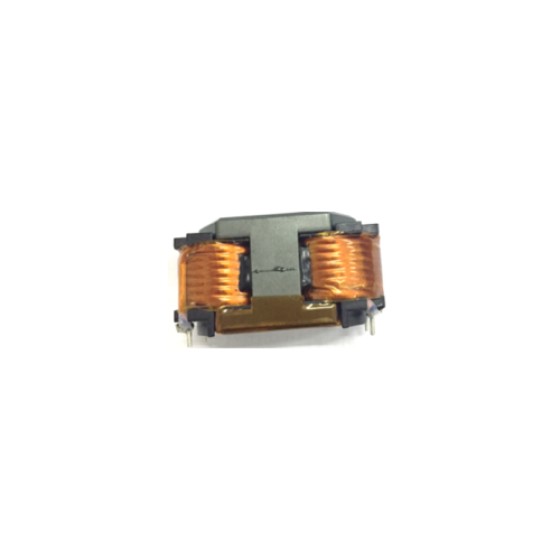
What Materials Are Used for Transformer Bobbins?
Transformer bobbins are commonly made from insulating engineering plastics such as nylon, PBT, PPS, and phenolic resin to provide electrical insulation, heat resistance, and mechanical stability.
What Materials Are Used for Transformer Bobbins?
A transformer bobbin is a key insulating component that supports the winding structure and separates the magnetic core from the copper wire. The material used for a transformer bobbin directly affects the transformer’s insulation performance, thermal resistance, mechanical strength, and long-term reliability.
Because transformers often operate under high voltage, high temperature, and continuous working conditions, transformer bobbin materials must have excellent electrical insulation properties and stable mechanical performance.
Common Materials Used for Transformer Bobbins
Nylon (PA66)
Nylon, especially PA66 (Polyamide 66), is one of the most widely used materials for transformer bobbins.
It offers:
- Good mechanical strength
- Excellent impact resistance
- Good dimensional stability
- Easy injection molding
- Reliable electrical insulation
PA66 transformer bobbins are commonly used in switching power supplies, adapters, chargers, and small electronic transformers.
For applications requiring higher safety standards, flame-retardant nylon materials are often selected to meet UL94V-0 requirements.
PBT (Polybutylene Terephthalate)
PBT is another popular engineering plastic used for transformer bobbins due to its excellent electrical and thermal properties.
Advantages of PBT include:
- High temperature resistance
- Low moisture absorption
- Good dimensional accuracy
- Strong insulation performance
- Excellent molding performance
PBT bobbins are suitable for high-frequency transformers, power supplies, LED drivers, and automotive electronic applications.
Compared with general plastics, PBT maintains better stability under long-term heat exposure.
PPS (Polyphenylene Sulfide)
PPS is a high-performance material commonly used in transformers that require higher temperature resistance and reliability.
Key advantages include:
- Excellent heat resistance
- Very low moisture absorption
- High dimensional stability
- Strong chemical resistance
- Excellent electrical insulation
PPS transformer bobbins are often used in demanding applications such as automotive electronics, industrial power supplies, high-power transformers, and high-frequency applications.
Although PPS has a higher material cost, it provides superior performance in harsh environments.
Phenolic Resin
Phenolic resin is a traditional material used for transformer bobbins, especially in applications requiring strong insulation properties.
Its advantages include:
- Excellent electrical insulation
- Good heat resistance
- High mechanical rigidity
- Good flame resistance
Phenolic bobbins are commonly found in certain power transformers and industrial electronic applications.
However, compared with modern engineering plastics, phenolic resin has lower impact resistance and more limitations in complex designs.
Why Are Engineering Plastics Used for Transformer Bobbins?
Transformer bobbins need to meet several important requirements:
Electrical Insulation
The primary purpose of a bobbin is to prevent electrical contact between windings and the magnetic core. Materials must provide high dielectric strength and stable insulation performance.
Heat Resistance
During transformer operation, copper windings generate heat. The bobbin material must maintain its mechanical and electrical properties at elevated temperatures.
Flame Retardancy
Many electronic transformers require flame-retardant materials to improve safety. Materials with UL94V-0 ratings are commonly selected for consumer electronics and power supply applications.
Mechanical Strength
The bobbin must withstand winding tension during manufacturing and maintain its shape during long-term operation.
Dimensional Stability
Accurate dimensions are important for proper core assembly, pin positioning, and automated transformer production.
How to Choose the Right Transformer Bobbin Material?
The selection of transformer bobbin material depends on several factors:
Operating Temperature
For standard applications, PA66 and PBT are commonly used. For higher-temperature environments, PPS may be preferred.
Voltage and Insulation Requirements
Higher voltage transformers require materials with better insulation performance and proper creepage and clearance distances.
Application Environment
Different industries have different requirements:
- Consumer electronics: PA66, PBT
- Industrial power supplies: PBT, PPS
- Automotive electronics: PPS, high-temperature materials
- High-frequency transformers: PBT, PPS
Production Requirements
The material should also provide good injection molding performance, dimensional accuracy, and compatibility with automated winding equipment.
Transformer Bobbin Material Comparison
| Material | Main Advantages | Typical Applications |
|---|---|---|
| PA66 Nylon | Strong, economical, easy processing | Chargers, adapters, small transformers |
| PBT | Stable, heat resistant, low moisture | Power supplies, LED drivers |
| PPS | High temperature and reliability | Automotive, industrial transformers |
| Phenolic Resin | Excellent insulation and rigidity | Traditional power transformers |
Conclusion
The materials used for transformer bobbins play an important role in transformer safety, performance, and reliability. Nylon PA66, PBT, PPS, and phenolic resin are the most common choices, each offering different advantages for specific applications.
With the increasing demand for compact and high-efficiency electronic devices, transformer bobbin materials continue to improve to meet higher requirements for temperature resistance, insulation performance, and manufacturing precision.