




What Is an SMPS Transformer?
Switched-mode power supplies (SMPS) have become the standard power conversion solution for modern electronics because they are compact, efficient, and capable of delivering stable output across a wide range of operating conditions. At the heart of every isolated SMPS is the SMPS transformer, a specialized high-frequency transformer designed to transfer energy safely and efficiently.
Unlike traditional power transformers that operate directly from the 50 Hz or 60 Hz utility supply, an SMPS transformer works with high-frequency switching signals generated by power semiconductor devices. This difference allows it to be much smaller while achieving higher efficiency and improved power density.
What Is an SMPS Transformer?
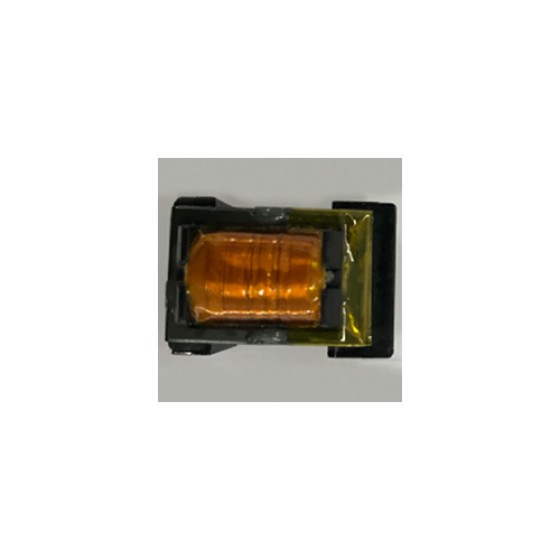
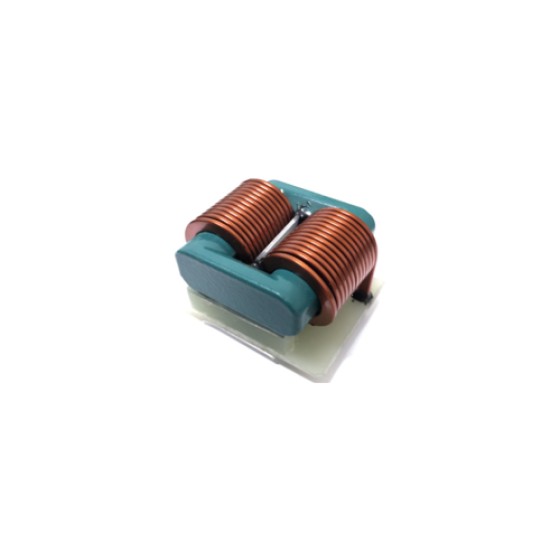
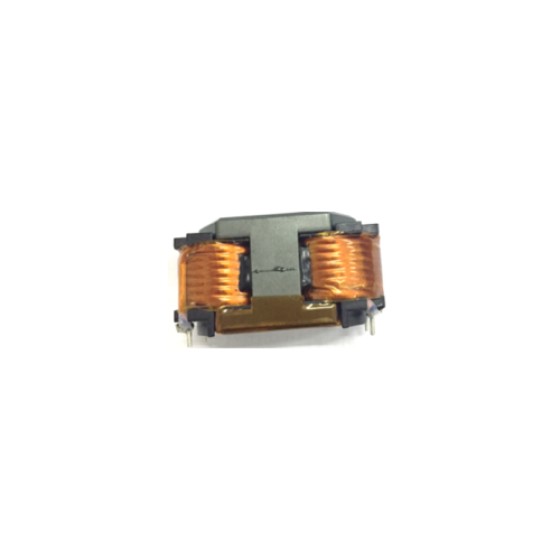
An SMPS transformer is a transformer specifically designed for use in a switched-mode power supply. Its primary function is to transfer electrical energy from the input side to the output side while providing electrical isolation and converting voltage levels according to the power supply design.
Rather than operating from the mains frequency, an SMPS transformer typically works between 20 kHz and several hundred kilohertz, depending on the converter topology and application.
Because of the high operating frequency, the transformer can use a compact ferrite core and fewer winding turns, reducing both size and weight without sacrificing performance.
How Does an SMPS Transformer Work?
The operation of an SMPS transformer begins after the AC input is converted into DC through a rectifier. Power switching devices such as MOSFETs or IGBTs rapidly switch this DC voltage on and off, creating a high-frequency pulse waveform.
These switching pulses are applied to the primary winding of the transformer, producing a rapidly changing magnetic field inside the ferrite core. The changing magnetic flux induces a voltage in the secondary winding through electromagnetic induction.
The secondary output is then rectified, filtered, and regulated to provide a stable DC voltage suitable for the connected electronic equipment.
Because energy transfer occurs at high frequency, the transformer stores and transfers energy much more efficiently than conventional low-frequency transformers.
Main Components of an SMPS Transformer
Although designs vary depending on the power supply topology, most SMPS transformers include the following elements:
- Ferrite core for efficient magnetic performance at high frequencies
- Primary winding connected to the switching circuit
- Secondary winding that delivers the required output voltage
- Insulation system to provide safe electrical isolation
- Bobbin or coil former that supports the windings and maintains insulation distances
Additional shielding or auxiliary windings may also be included in more advanced designs.
Why Ferrite Cores Are Used
Ferrite materials are widely used in SMPS transformers because they exhibit very low eddy current losses at high frequencies. Unlike laminated silicon steel, ferrite has high electrical resistance, allowing it to maintain excellent efficiency even when operating at hundreds of kilohertz.
Different ferrite materials are selected according to operating frequency, temperature range, and power level to achieve the best balance between efficiency and thermal performance.
Advantages of SMPS Transformers
SMPS transformers offer several important advantages over traditional low-frequency transformers.
Compact Size
Higher switching frequencies allow the magnetic core and windings to be significantly smaller, making power supplies more compact.
High Efficiency
Lower core losses and optimized winding designs help improve overall energy efficiency, reducing heat generation during operation.
Lightweight Design
Smaller magnetic components reduce the overall weight of electronic products, which is especially important in portable equipment and electric vehicles.
Electrical Isolation
Most isolated SMPS designs provide galvanic isolation between the input and output, improving safety and protecting sensitive electronic circuits.
Wide Input Voltage Range
SMPS transformers can support power supplies designed for universal input voltages, making them suitable for products used worldwide.
Common Applications
SMPS transformers are used in almost every industry that requires efficient power conversion.
Typical applications include:
- Desktop and laptop power adapters
- Industrial power supplies
- LED drivers
- Telecommunications equipment
- Medical electronics
- Consumer electronics
- Solar inverters
- Battery chargers
- Electric vehicle charging systems
- AI server power supplies
- Data center equipment
Their ability to provide stable, efficient power in a compact package has made them one of the most widely used transformer types in modern electronics.
Design Considerations
Designing an SMPS transformer requires careful attention to multiple factors that directly affect efficiency, reliability, and electromagnetic performance.
Important considerations include:
- Operating frequency
- Input and output voltage
- Output power
- Core material selection
- Turns ratio
- Leakage inductance
- Thermal management
- Creepage and clearance distances
- Electromagnetic interference (EMI)
- Manufacturing consistency
Proper optimization of these parameters helps improve efficiency while ensuring long-term reliability.
SMPS Transformer vs Conventional Transformer
Although both devices transfer energy through electromagnetic induction, they differ significantly in operating conditions.
| Feature | SMPS Transformer | Conventional Transformer |
|---|---|---|
| Operating Frequency | 20 kHz to several hundred kHz | 50 Hz or 60 Hz |
| Core Material | Ferrite | Laminated silicon steel |
| Size | Compact | Larger |
| Weight | Lightweight | Heavier |
| Efficiency | Higher | Lower in comparable applications |
| Typical Applications | Switching power supplies, chargers, inverters | Utility power distribution, low-frequency equipment |
These differences explain why SMPS transformers dominate today's electronic power conversion systems.
Conclusion
An SMPS transformer is a critical component in switched-mode power supplies, enabling efficient voltage conversion and safe electrical isolation at high switching frequencies. By using ferrite cores and optimized winding designs, it achieves much higher efficiency, smaller size, and lighter weight than traditional power transformers.
As electronic devices continue to demand greater power density and improved energy efficiency, SMPS transformers will remain an essential technology in applications ranging from consumer electronics and industrial automation to renewable energy systems, electric vehicles, and AI infrastructure.