



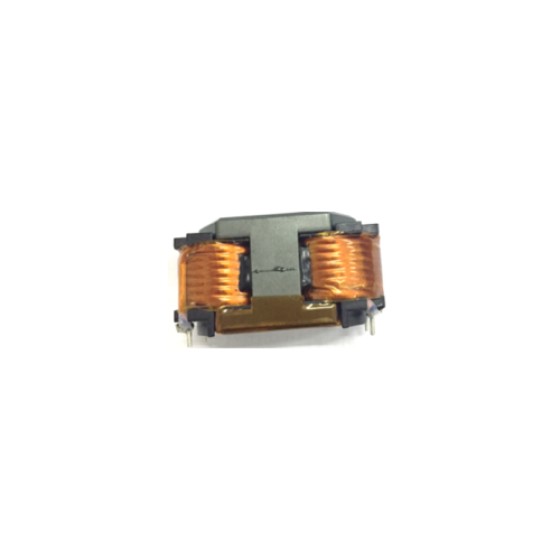
High Frequency Transformer vs Low Frequency Transformer
Transformers are essential components in electrical and electronic systems, providing voltage conversion, electrical isolation, and energy transfer between circuits. Based on operating frequency, transformers are generally divided into two categories: high frequency transformers and low frequency transformers.
Although both types work based on electromagnetic induction, their designs, materials, performance characteristics, and applications are significantly different. Choosing the right transformer type is critical for achieving high efficiency, reliability, and cost-effective power solutions.
What Is a High Frequency Transformer?
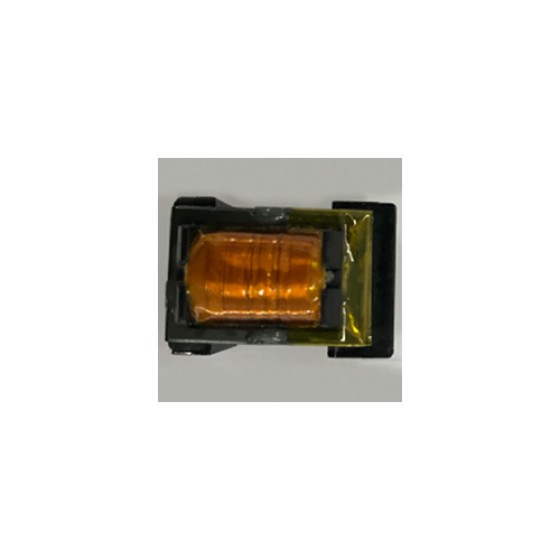
A high frequency transformer is designed to operate at switching frequencies typically ranging from several kilohertz (kHz) to several megahertz (MHz).
These transformers are commonly used in modern power electronic systems such as switching power supplies, renewable energy equipment, electric vehicle chargers, and industrial automation systems.
High frequency transformers usually use ferrite cores because ferrite materials provide low magnetic losses at high frequencies. Their compact design enables higher power density and improved energy efficiency.
What Is a Low Frequency Transformer?
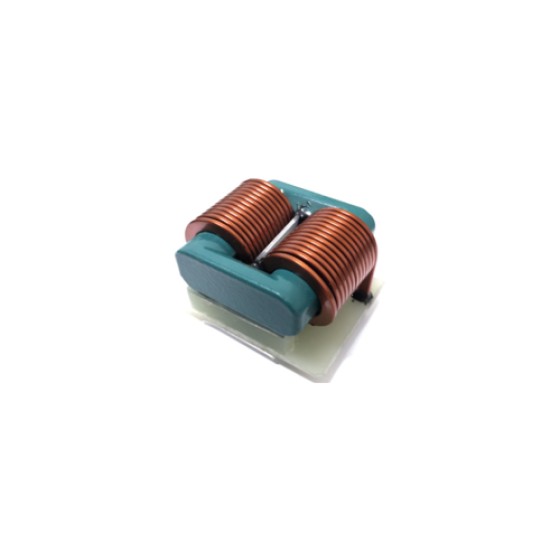
A low frequency transformer operates at standard power frequencies, typically 50 Hz or 60 Hz, depending on regional electrical standards.
These transformers are mainly used for traditional power distribution, industrial equipment, and electrical systems where large power conversion and long-term reliability are required.
Low frequency transformers usually use laminated silicon steel cores, which are optimized for lower frequency operation.
Key Differences Between High Frequency and Low Frequency Transformers
| Feature | High Frequency Transformer | Low Frequency Transformer |
|---|---|---|
| Operating Frequency | kHz to MHz range | 50 Hz / 60 Hz |
| Core Material | Ferrite core | Silicon steel core |
| Size | Compact and lightweight | Larger and heavier |
| Power Density | Higher | Lower |
| Efficiency | High at switching frequencies | High at power frequencies |
| Applications | Electronics and power conversion | Power distribution and industrial systems |
| Manufacturing | Precision winding and automated production | Traditional winding methods |
| Main Advantage | Small size and high efficiency | High reliability and high power capacity |
Size and Weight Comparison
One of the biggest advantages of high frequency transformers is their compact size.
As operating frequency increases, the transformer requires fewer winding turns and a smaller magnetic core to transfer the same amount of power. This allows engineers to design smaller and lighter power conversion systems.
Low frequency transformers require larger cores and more winding materials because lower frequencies need greater magnetic flux capacity.
For applications where space is limited, such as portable electronics, EV chargers, and server power supplies, high frequency transformers provide significant advantages.
Efficiency Comparison
Both transformer types can achieve high efficiency when properly designed, but their efficiency characteristics differ.
High frequency transformers improve efficiency by:
- Reducing transformer size
- Minimizing magnetic losses with optimized ferrite materials
- Supporting advanced switching technologies
- Improving power density
Low frequency transformers are highly efficient in continuous power distribution applications but become less practical when compact size and high-frequency switching are required.
Core Material Differences
High Frequency Transformer Core
Common materials include:
- MnZn Ferrite
- NiZn Ferrite
- Nanocrystalline materials
These materials offer:
- Low core loss
- High magnetic permeability
- Excellent high-frequency performance
Low Frequency Transformer Core
Common materials include:
- Laminated silicon steel
Advantages include:
- High magnetic flux capacity
- Good mechanical strength
- Long service life
Application Differences
High Frequency Transformer Applications
High frequency transformers are widely used in:
- Switching power supplies (SMPS)
- AC/DC converters
- DC/DC converters
- Solar inverters
- EV charging systems
- Battery energy storage systems
- LED drivers
- Medical electronics
- Industrial automation equipment
- Communication devices
Low Frequency Transformer Applications
Low frequency transformers are commonly used in:
- Power distribution systems
- Electrical substations
- Industrial power equipment
- Large machinery
- Building electrical systems
- Utility power networks
Manufacturing Differences
High frequency transformer manufacturing requires advanced production technologies, including:
- Automatic winding machines
- Precision insulation processes
- Ferrite core assembly
- Electrical performance testing
- Automated quality inspection
Because these transformers are often used in compact electronic devices, manufacturing accuracy and consistency are extremely important.
Low frequency transformers typically involve larger-scale manufacturing processes, including:
- Core assembly
- Copper winding
- Insulation treatment
- Oil or air cooling systems
How to Choose Between High Frequency and Low Frequency Transformers?
The choice depends on application requirements.
Choose a high frequency transformer when you need:
- Compact size
- Lightweight design
- High power density
- Switching power conversion
- Advanced electronic applications
Choose a low frequency transformer when you need:
- High power transmission
- Long-term operation
- Industrial power distribution
- High voltage applications
Future Development Trends
With the growth of electric vehicles, renewable energy, artificial intelligence infrastructure, and smart manufacturing, high frequency transformer technology is becoming increasingly important.
Future developments focus on:
- Higher efficiency designs
- Advanced magnetic materials
- SiC and GaN power semiconductor compatibility
- Automated manufacturing
- Intelligent testing systems
- Smaller and more powerful transformer designs
Low frequency transformers will continue to play an important role in power grids and industrial infrastructure, while high frequency transformers will remain a key technology for next-generation electronic systems.
Conclusion
High frequency transformers and low frequency transformers serve different purposes in electrical and electronic applications. High frequency transformers provide compact size, high efficiency, and excellent power density for modern electronics, while low frequency transformers deliver reliable performance for traditional power systems.
Understanding the differences between these two transformer technologies helps engineers, manufacturers, and buyers select the most suitable solution for their specific application requirements.