



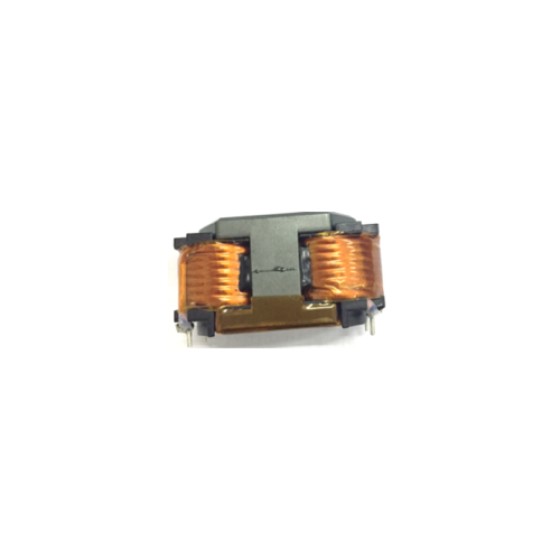
How Do Bobbins Improve Transformer Insulation and Safety?
In transformer manufacturing, the bobbin is often considered a mechanical support component, but its role goes far beyond holding the winding in place. A properly designed bobbin is an important part of the transformer insulation system, helping maintain electrical separation between windings and reducing the risk of short circuits.
As transformers become smaller and operate at higher voltages and frequencies, bobbin design has become increasingly important for ensuring safety, reliability, and compliance with electrical standards.
What Is the Role of a Transformer Bobbin?
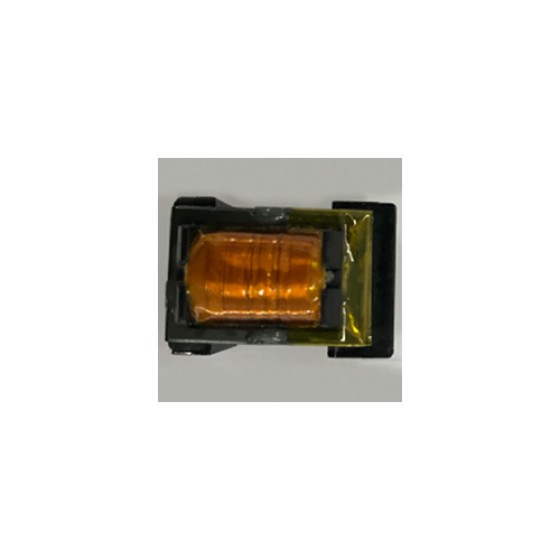
A transformer bobbin, also known as a coil former, is an insulating structure placed between the magnetic core and the winding.
During transformer production, copper wire is wound around the bobbin to form the primary and secondary coils. The bobbin provides a stable structure for the winding while also creating insulation barriers between different electrical sections.
The main functions of a transformer bobbin include:
- Supporting the winding structure
- Maintaining insulation distance
- Separating primary and secondary circuits
- Providing mechanical protection
- Improving manufacturing consistency
Without a suitable bobbin, maintaining safe electrical isolation between windings would be much more difficult.
How Do Bobbins Provide Electrical Isolation?
A transformer transfers energy through electromagnetic fields, but the primary and secondary windings usually operate at different voltage levels.
For example, in a power adapter, the input side may be connected to high-voltage AC power, while the output side provides low-voltage DC power. The insulation system must prevent dangerous electrical contact between these two sides.
The bobbin improves isolation by creating a physical barrier between the windings.
Important design features include:
- Insulating walls
- Separation barriers
- Extended winding sections
- Proper pin spacing
These structures help reduce the possibility of electrical breakdown.
How Do Bobbins Improve Creepage and Clearance Distance?
Creepage and clearance are important safety factors in transformer design.
Clearance distance refers to the shortest distance through air between two conductive parts.
Creepage distance refers to the distance along the surface of an insulating material between conductive parts.
A transformer bobbin helps increase these distances through structural design.
For example:
- Wider insulation walls
- Larger separation areas
- Special barrier structures
can increase the distance between primary and secondary windings.
This is especially important in applications requiring reinforced insulation, such as:
- Chargers
- Industrial power supplies
- Medical equipment
- Renewable energy systems
Why Is Bobbin Material Important for Transformer Safety?
The material used for a transformer bobbin directly affects insulation performance.
Common bobbin materials include:
- Nylon
- Polyester
- Phenolic resin
- High temperature engineering plastics
A suitable material should provide:
High Electrical Resistance
The material must prevent unwanted current leakage between conductive parts.
Temperature Stability
Transformers generate heat during operation, so the bobbin must maintain its insulation properties under high temperatures.
Mechanical Strength
The bobbin must withstand winding pressure and manufacturing processes without cracking or deformation.
Poor material selection can reduce insulation reliability and shorten transformer lifetime.
How Do Bobbins Protect Windings During Manufacturing?
Transformer windings are often produced using automatic winding machines that apply mechanical force to the wire.
During this process, the bobbin helps protect the wire from:
- Excessive movement
- Mechanical damage
- Contact with the magnetic core
A stable bobbin structure allows wires to be positioned accurately and reduces the risk of insulation damage during production.
This improves both manufacturing quality and electrical safety.
How Do Bobbins Support High Frequency Transformer Safety?
High frequency transformers used in switching power supplies operate under fast switching conditions and often require compact designs.
In these applications, insulation challenges become more complex because:
- Switching voltage changes rapidly
- Component size is limited
- Heat generation can increase
Transformer bobbins help solve these challenges by providing:
- Precise winding separation
- Stable insulation spacing
- Support for multilayer winding structures
For high frequency transformers, bobbin design must balance electrical safety with compact size.
What Bobbin Features Improve Transformer Insulation?
Different transformer applications may require specialized bobbin structures.
Common insulation-related features include:
Divider Walls
Separate different winding sections and prevent direct contact.
Safety Margins
Provide additional spacing between wire layers and terminals.
Insulated Pin Structures
Reduce the risk of electrical connection between winding wires and external terminals.
Multiple Chamber Designs
Allow primary and secondary windings to be physically separated.
These features improve transformer safety without significantly increasing component size.
How Do Bobbins Help Meet Safety Standards?
Many transformer applications must comply with international safety requirements.
Transformer insulation systems are designed according to standards related to:
- Voltage isolation
- Temperature resistance
- Fire safety
- Material performance
A properly designed bobbin helps manufacturers achieve required insulation distances and improve product certification reliability.
Bobbins in Modern Transformer Applications
Transformer bobbins are widely used in:
- Switching power supplies
- LED drivers
- EV charging systems
- Industrial power equipment
- Communication power modules
As electronic products demand smaller size and higher power density, bobbin design continues to evolve.
Modern bobbins are designed not only for mechanical support but also as a key part of the transformer insulation system.
Transformer bobbins improve insulation and safety by separating windings, maintaining electrical distances, protecting wire structures, and providing reliable insulation performance. A well-designed bobbin helps transformers achieve higher safety levels, better reliability, and longer operating life in modern electronic applications.