




Why Are Magnetic Components Essential in Power Electronics?
Power electronics has become a key technology in modern electrical systems, enabling efficient energy conversion in devices ranging from smartphones and computers to electric vehicles and renewable energy equipment.
Although semiconductor devices such as MOSFETs and IGBTs receive much attention, magnetic components are equally important. Transformers, inductors, and magnetic filters play a critical role in storing energy, transferring power, reducing noise, and improving system efficiency.
Without magnetic components, many modern power conversion systems would not be able to achieve the required performance, reliability, and energy efficiency.
What Are Magnetic Components?
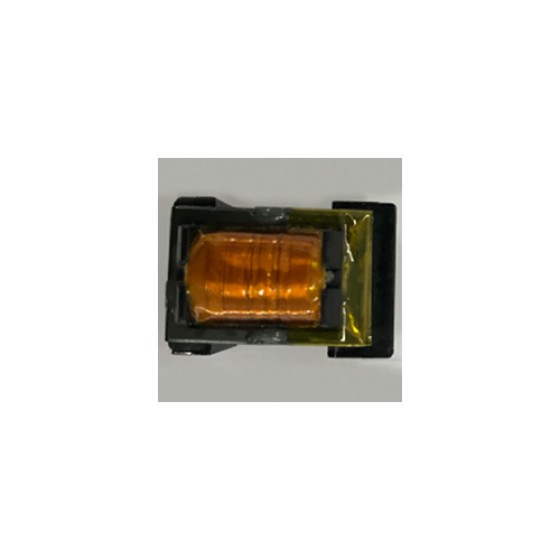
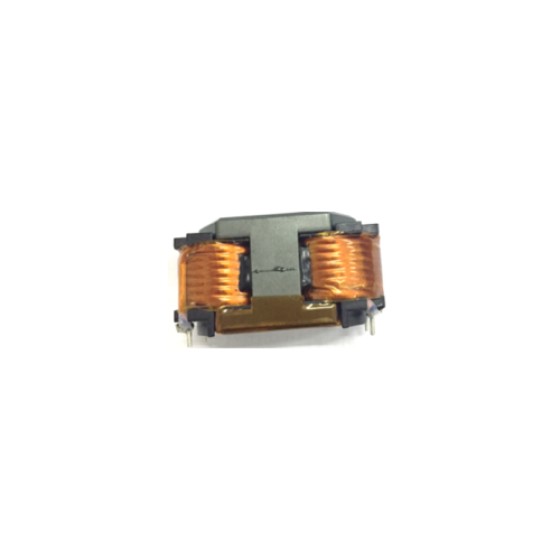
Magnetic components are electronic parts that use magnetic fields to control electrical energy.
The most common types include:
- Transformers
- Inductors
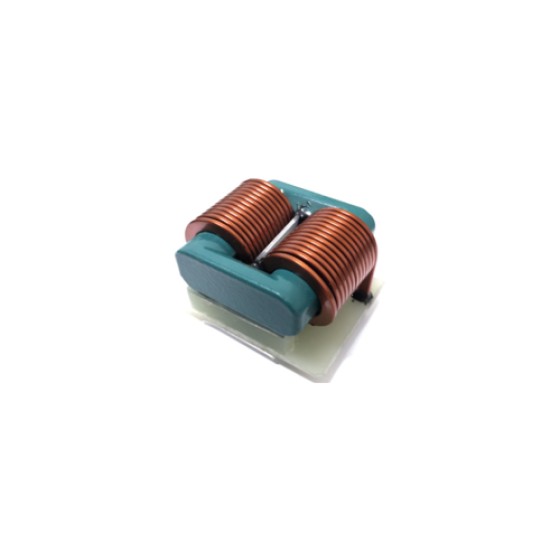
- Common mode chokes
- Ferrite beads
- Current transformers
These components use magnetic materials, such as ferrite cores, to store or transfer energy through electromagnetic principles.
Unlike semiconductor components that switch electrical signals, magnetic components manage how energy moves through a circuit.
Energy Storage and Transfer
One of the most important functions of magnetic components is energy storage.
Inductors store energy in a magnetic field and release it when needed. This ability is essential in switching power converters, where electrical energy is transferred in controlled cycles.
Transformers use magnetic coupling to transfer energy between separate circuits while also providing voltage conversion and electrical isolation.
Together, these components allow power supplies to convert electrical energy efficiently.
Transformers Enable Voltage Conversion
Transformers are among the most widely used magnetic components in power electronics.
They allow systems to:
- Increase or decrease voltage levels
- Provide electrical isolation
- Support multiple output voltages
- Improve safety
In switching power supplies, high-frequency transformers allow manufacturers to create smaller and lighter power solutions compared with traditional low-frequency transformers.
They are used in applications such as:
- AC-DC adapters
- Server power supplies
- Electric vehicle chargers
- Renewable energy systems
Inductors Control Current Flow
Inductors are another essential magnetic component in power electronics.
They resist sudden changes in current and help smooth electrical energy during conversion.
Common functions include:
- Reducing current ripple
- Filtering noise
- Stabilizing output voltage
- Supporting energy conversion
For example, in a DC-DC converter, the inductor stores energy during one switching period and releases it during another, helping maintain a stable output.
Reducing Electromagnetic Interference
Modern electronic devices operate at increasingly higher switching frequencies. While this improves efficiency and reduces size, it can also create electromagnetic interference (EMI).
Magnetic components such as common mode chokes and ferrite filters help control unwanted electrical noise.
They work by:
- Blocking high-frequency interference
- Reducing conducted noise
- Protecting sensitive circuits
This is especially important in products that must meet strict electromagnetic compatibility requirements.
Improving Power Supply Efficiency
Efficiency is one of the most important goals in power electronics.
Poorly designed magnetic components can create significant energy losses through:
- Core losses
- Copper losses
- Leakage effects
- Excessive heat generation
By selecting suitable core materials, winding structures, and operating frequencies, engineers can improve efficiency and reduce thermal problems.
Advanced magnetic designs are especially important in high-power applications where even small efficiency improvements can result in significant energy savings.
Supporting High-Power Applications
As industries move toward electrification, magnetic components are becoming increasingly important.
Applications such as:
- Electric vehicles
- Solar energy systems
- Battery storage
- Data centers
- Industrial automation
require efficient power conversion systems capable of handling large amounts of energy.
High-performance transformers and inductors help these systems operate reliably while reducing size and energy consumption.
The Importance of Magnetic Materials
The performance of magnetic components depends heavily on the materials used inside them.
Ferrite cores are widely used because they provide:
- Low electrical losses
- Good performance at high frequencies
- High electrical resistance
- Stable magnetic characteristics
Different applications require different magnetic materials depending on frequency, temperature, and power requirements.
Selecting the correct material is a key part of power electronics design.
Challenges in Magnetic Component Design
Although magnetic components are essential, designing them can be complex.
Engineers must consider:
- Core selection
- Winding arrangement
- Thermal management
- Power density
- Operating frequency
- Electromagnetic interference
A small change in magnetic design can affect the efficiency and reliability of the entire power system.
Magnetic Components in Future Electronics
As electronic systems become more powerful and compact, the demand for advanced magnetic components continues to grow.
Future trends include:
- Smaller high-frequency transformers
- Higher-efficiency inductors
- Advanced magnetic materials
- Improved thermal performance
- Integrated magnetic solutions
These developments are helping industries achieve higher efficiency while reducing the size of electronic systems.
Final Thoughts
Magnetic components are the foundation of modern power electronics. Transformers, inductors, and magnetic filters make it possible to transfer energy efficiently, regulate power, reduce interference, and maintain system stability.
Although they are often hidden inside electronic products, their role is essential. From small consumer devices to large energy systems, magnetic components continue to support the development of more efficient and reliable electronic technology.